
Category Archives: Blog
Common FIBC Bag Failures: How a Jumbo Bag Supplier Prevents
Nearly every FIBC bag failure traces back to one of a handful of root causes,...
Sep
How to Stack FIBC Bag Safely: Why Baffle Bag Behaves Differently
Stacking height limits aren’t a matter of judgment call or common sense alone; they come...
Sep
How to Store FIBC Bags: Getting the Most From UV Additive
A bag manufactured with a strong UV additive package can still fail early if it’s...
Sep
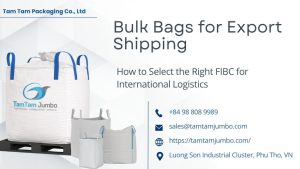
Bulk Bags for Export: What to Ask a Big Bag Supplier in Vietnam
A bag that performs perfectly in short domestic truck transport can still fail on a...
Sep
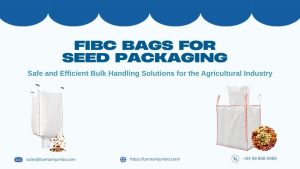
FIBC Bags for Seed Packaging: Choosing Right Liner for Viability
Seed packaging has a goal most other bulk commodities don’t share: keeping the product alive....
Sep

FIBC Bags for Sugar Packaging: What to Look for in Bag Suppliers
Sugar is deceptively demanding to package well in bulk. It is highly hygroscopic, fine enough...
Sep
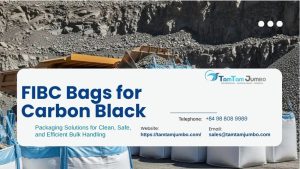
FIBC Bags for Carbon Black: When a BRC Certificate Applies
Carbon black is overwhelmingly an industrial material, used as a reinforcing filler in tire and...
Sep
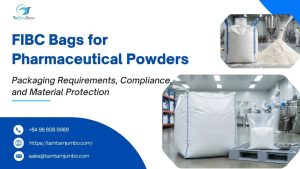
FIBC Bags for Pharmaceutical Powders: What Sets a Pharma Bag
Pharmaceutical powder handling sits at the far end of the specification spectrum from general industrial...
Sep
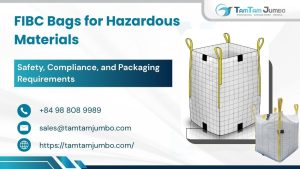
FIBC Bags for Hazardous Material: How to Classify Bags Required
A UN certificate confirms a bag’s packing group and maximum weight, but it doesn’t tell...
Sep
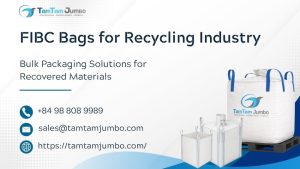
FIBC Bags for Recycling Industry: Bulk Bag Across Material Stream
Recycling operations move an unusually wide range of material through FIBC packaging, plastic flakes, metal...
Sep
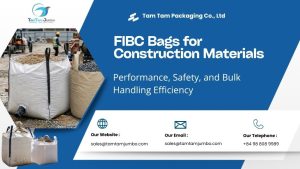
FIBC Bags for Construction: A Complete Guide Across Materials
Walk onto almost any construction site or materials yard and the bulk bags you see...
Aug
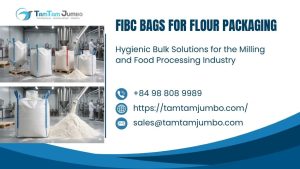
FIBC Bags for Flour: Why Allergen Status Change the Specification
Flour shares the fine-particle and combustible dust characteristics of other food powders, but wheat’s status...
Aug
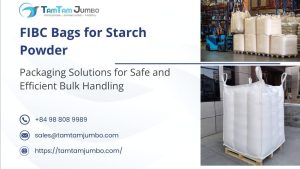
FIBC Bag for Starch Powder: Dustproof Bag Needs Antistatic
Starch powder occupies an unusual position in FIBC specification: it is a common food and...
Aug
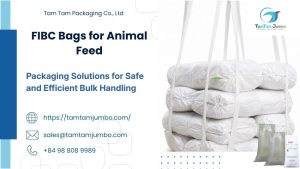
FIBC Bags for Animal Feed: What Actually Makes a Clean Bulk Bag
FIBC bags for animal feed mean something more specific than a bag that looks unused....
Aug
FIBC Bag for PET Flakes: Why UV Resistance Matter More Than It
Recycled PET flakes share a base polymer with virgin resin pellets, but the two behave...
Aug
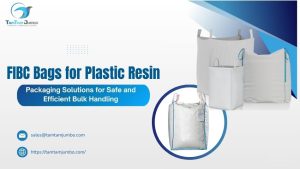
FIBC Bags for Plastic Resin: PP Fabric Packaging PP Pellets
There is a certain irony in shipping polypropylene resin pellets inside a bag woven from...
Aug
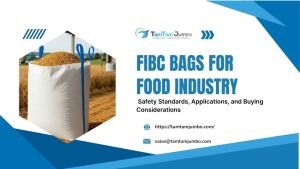
FIBC Bags for the Food Industry: Building a Food Grade Bag
Food manufacturers sourcing bulk ingredient packaging are working from a different starting point than a...
Aug
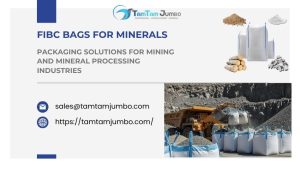
FIBC Bags for Minerals: A Jumbo Bag Specification Guide
Mineral products range from dense, abrasive ore concentrate to hazardous processing reagents to fine powders...
Aug
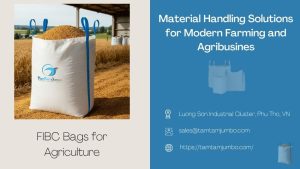
FIBC Bags for Agriculture: Match Specification to Product Category
Agriculture is not a single FIBC application the way dangerous goods or food-grade chemicals often...
Aug
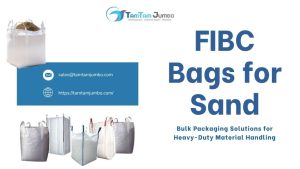
FIBC Bag for Sand: A Specification Guide Across Bulk Bag Industry
Sand and cement often get grouped together as construction materials in FIBC applications, but they...
Aug
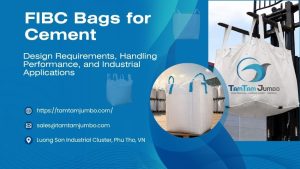
FIBC Bags for Cement: A Specification Guide for This Industry
Cement is one of the most demanding products the FIBC industry packages in volume, not...
Aug

FIBC Bags for Chemicals: Building the Right Bulk Bag Specification
Chemical products place more demands on FIBC packaging than most other bulk commodities, since a...
Aug
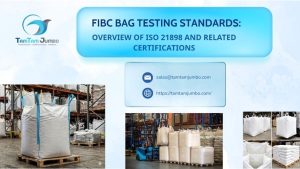
FIBC Bag Testing Standards: A Complete Overview of ISO 21898
A single FIBC bag can be subject to several completely different testing standards depending on...
Aug
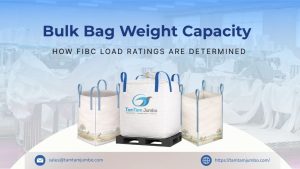
Bulk Bag Weight Capacity and Baffle FIBC Bag: How They Relate
Buyers comparing a baffled bag to a standard circular or U panel FIBC bag sometimes...
Aug