

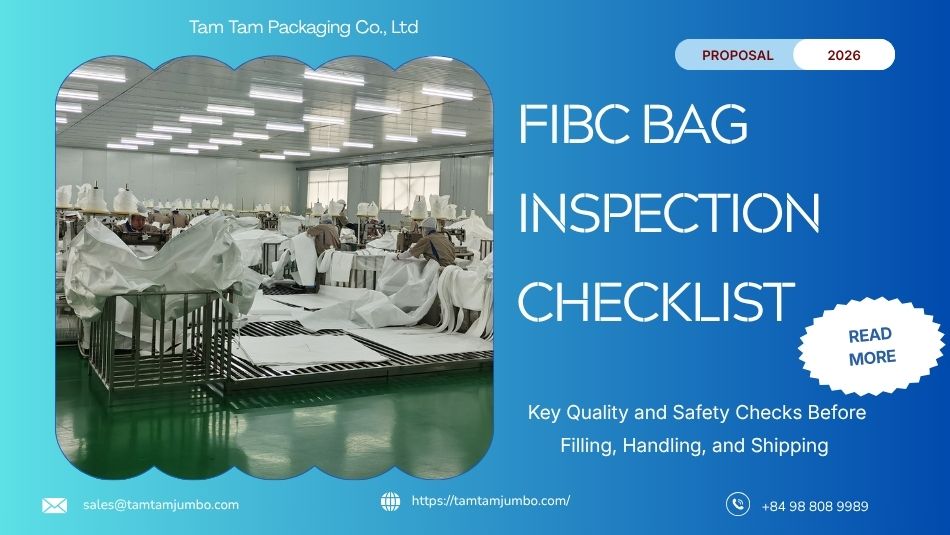
There’s a difference between checking whether a bag is worn out and checking whether a brand new shipment actually matches what you ordered, and this FIBC Bag inspection checklist covers the second one. Incoming inspection against the jumbo bag specification is a separate discipline from in-service wear checks, and it’s the step that catches a supplier quietly substituting lighter fabric, a different stitch pattern, or missing documentation before those bags ever reach production.
Why Incoming Inspection Matters Even With a Trusted Supplier
Specification drift between what was quoted and what actually ships can happen without any intent to deceive; a fabric supplier substitution, a production run using a slightly different stitch setting, or a labeling error can all slip through without incoming verification. A consistent inspection checklist catches these gaps early, before bags are already in use and a discrepancy becomes a bigger problem than a rejected shipment.
Verifying Bag Dimensions Against the Ordered Specification
Measure a sample of bags from the shipment against the ordered filled and folded dimensions, checking that footprint and height fall within a reasonable tolerance. Dimensional drift can affect pallet fit, container loading calculations, and automated filling line compatibility even when the bag’s rated capacity is nominally unchanged.
Sample Fabric GSM Verification
Cut a small sample of known area from the body fabric and weigh it to confirm actual GSM matches the specification, rather than relying on the packing slip alone. This is a simple, fast check that catches a fabric weight shortfall before it becomes an unpleasant surprise during actual use.
Read more: FIBC Bag GSM Guide: How Fabric Weight Determines Strength
Checking Stitch Type and Density Against Specification
Inspect base seams and loop anchoring points specifically, confirming the stitch type, safety stitch or standard lock stitch, matches what was specified, and spot-check stitches per inch against the agreed density. These are the highest-stress points on the bag, making them the most important place to verify construction matches the order.
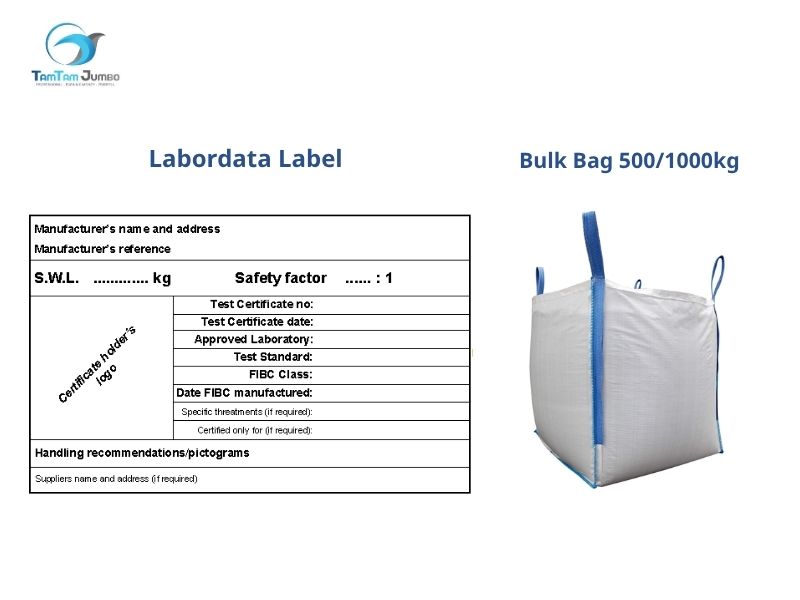
Confirming Label Accuracy: SWL, Safety Factor, Batch Number
Check that the printed label states the correct safe working load, safety factor classification, and batch number, and that this information is legible and permanently affixed rather than at risk of fading or detaching during handling. A shipment with inconsistent or missing label information should be flagged regardless of how the bags otherwise appear.
Read more: FIBC Label Requirements: Reading 5:1 vs 6:1 Markings Correctly
Matching Certificates to the Physical Shipment
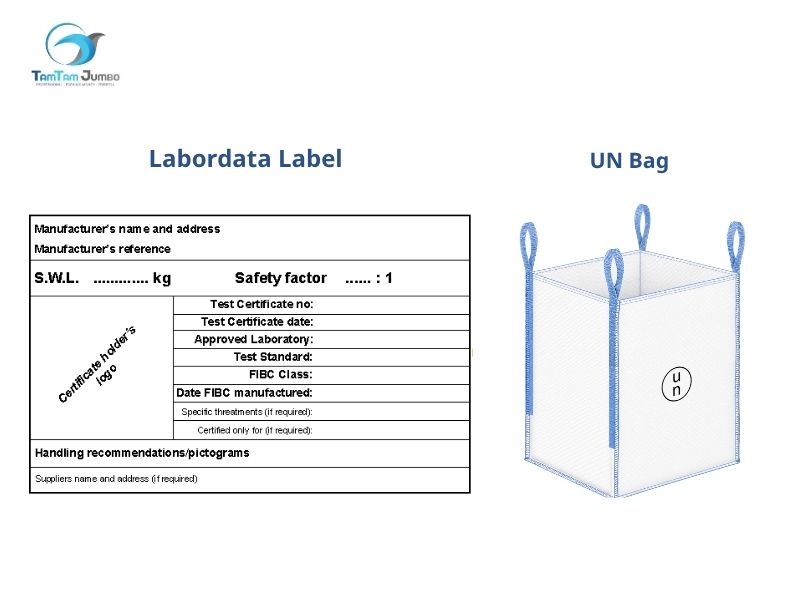
Where UN rating, food grade BRC certification, or anti-static Type C protection was part of the order, confirm the accompanying certificates reference the correct approval numbers and that these match markings on the physical bags. A certificate that doesn’t clearly correspond to the specific shipment received provides limited practical assurance.
Read more: FIBC Bag Testing Standards: A Complete Overview of ISO 21898
Spot-Checking Liner and Spout Construction
For bags ordered with a liner, confirm the liner material and thickness match the specification and that it’s properly integrated rather than loosely inserted. For spout-equipped bags, check spout diameter against the dimension needed for your filling or discharge equipment, and confirm the closure mechanism functions as intended.
Sampling Strategy for Large Shipments
Full inspection of every bag in a large shipment usually isn’t practical, so a representative sampling approach, checking a defined percentage or a statistically reasonable sample size drawn from different points in the shipment, balances thoroughness against practicality. Larger or higher-risk orders, such as UN rated or food grade shipments, warrant a larger sample percentage than routine standard industrial orders.
What to Do When Inspection Reveals a Discrepancy
A confirmed discrepancy should be documented with specific measurements or photos and raised with the supplier before the shipment enters use, not after. Isolating the affected batch using label and batch number information prevents a partial quality issue from being treated as grounds to reject an entire order unnecessarily, while still keeping the affected bags out of service until resolved.
How Tam Tam Packaging Supports Incoming Inspection
Tam Tam Packaging documents fabric GSM, stitch specification, and applicable certifications individually on every order’s specification sheet, so buyers have a clear reference to inspect against upon receipt. We’re happy to work through any discrepancy a buyer’s own incoming inspection identifies.
Common Incoming Inspection Mistakes
- Relying on the packing slip or invoice description instead of physically verifying fabric weight and stitch construction.
- Inspecting only a token few bags from a large shipment rather than a genuinely representative sample.
- Not cross-checking certificate approval numbers against the actual markings on the physical bags.
- Treating incoming inspection as unnecessary simply because the supplier is an established relationship.
- Not documenting discrepancies with enough specificity to support a productive conversation with the supplier.
Applications Across Industries Receiving Bulk Shipments
Incoming inspection matters across every industry sourcing bulk bags, but it carries particular weight for chemical buyers receiving UN-rated or anti-static shipments, where a specification discrepancy isn’t just a quality issue but a potential compliance and safety gap. Chemical manufacturers handling dangerous goods or combustible materials should treat incoming inspection as a required step tied directly to their own regulatory obligations, not just a general quality practice.
Read more: FIBC Bags for Chemicals: Building the Right Bulk Bag Specification
Frequently Asked Questions
What is the difference between incoming inspection and in-service inspection?
Incoming inspection verifies a new shipment matches the ordered specification before use, while in-service inspection checks for wear and damage accumulated during actual handling and reuse over time.
How can I verify fabric GSM without lab equipment?
Cut a sample of known area from the body fabric and weigh it on a standard scale, then calculate grams per square meter directly; a simple check that doesn’t require specialized testing equipment.
How many bags should I inspect from a large shipment?
A representative sample drawn from different points in the shipment, with higher-risk or certified orders like UN rated or food grade shipments warranting a larger sample percentage than routine standard orders.
What should I do if I find a discrepancy during inspection?
Document it with specific measurements or photos, raise it with the supplier before the affected bags enter use, and isolate the specific batch using label information rather than treating the entire order as compromised.
Does incoming inspection matter if I’ve worked with the same supplier for years?
Yes. Specification drift can happen without any intent to deceive; a fabric or component substitution can occur even in an established relationship, making consistent inspection worthwhile regardless of supplier history.
Conclusion
An incoming FIBC Bag inspection checklist verifies that what actually arrives matches the jumbo bag specification that was ordered, catching fabric, stitching, labeling, or certification discrepancies before bags enter production use. This is a distinct discipline from checking wear on bags already in service, and both deserve their own consistent process.
Tam Tam Packaging Co. documents fabric, stitching, and certification details individually on every specification sheet to support your incoming inspection process. Contact our team if you have questions about verifying a shipment against its ordered specification.
Contact Us
Tam Tam Packaging Co.
Email: sales@tamtamjumbo.com
Website: https://tamtamjumbo.com/
Read more

FIBC Bag Inspection Checklist: Verifying a Shipment Against Specs
There’s a difference between checking whether a bag is worn out and checking whether a...
Sep
FIBC Bag Handling Guidelines: What Changes for a FIBC Program
Handling technique affects bag performance just as much as fabric specification does, and it’s the...
Sep
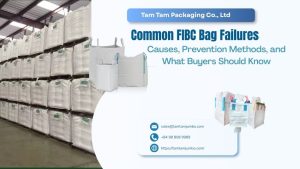
Common FIBC Bag Failures: How a Jumbo Bag Supplier Prevents
Nearly every FIBC bag failure traces back to one of a handful of root causes,...
Sep
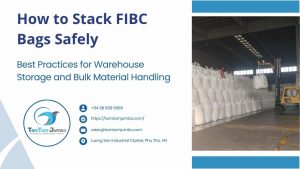
How to Stack FIBC Bag Safely: Why Baffle Bag Behaves Differently
Stacking height limits aren’t a matter of judgment call or common sense alone; they come...
Sep
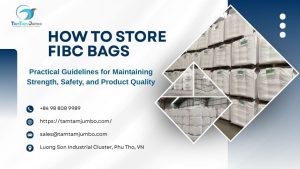
How to Store FIBC Bags: Getting the Most From UV Additive
A bag manufactured with a strong UV additive package can still fail early if it’s...
Sep
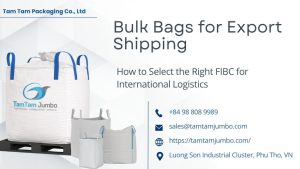
Bulk Bags for Export: What to Ask a Big Bag Supplier in Vietnam
A bag that performs perfectly in short domestic truck transport can still fail on a...
Sep