
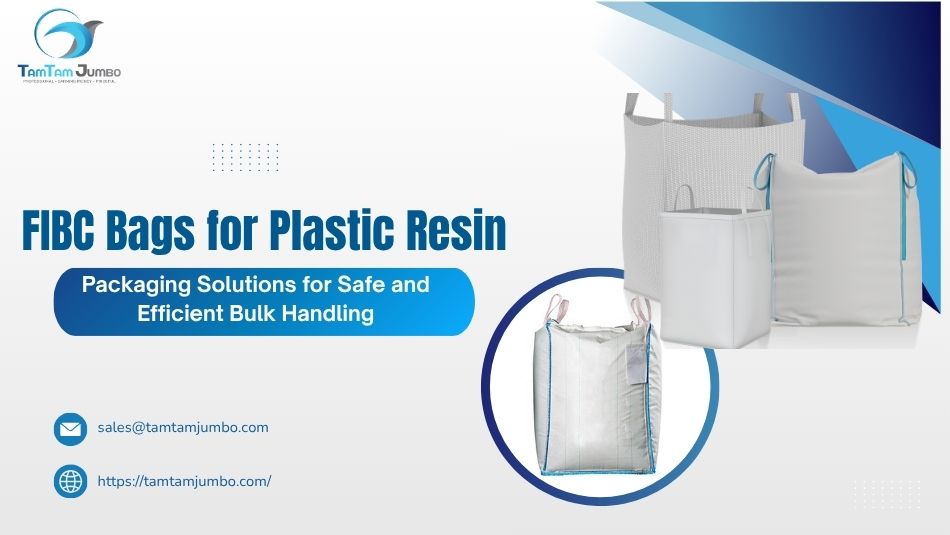
There is a certain irony in shipping polypropylene resin pellets inside a bag woven from polypropylene fabric, but the two forms of the same base polymer have almost nothing in common in terms of packaging risk. Resin pellets are typically free-flowing and low-dust, yet they generate static readily during pneumatic handling and demand a level of contamination control that most bulk commodities never need to consider. This guide covers what actually matters when specifying FIBC bags for plastic resin.
Why Plastic Resin Has Different FIBC Requirements Than Powders or Ore
Resin pellets do not sift, do not generally absorb moisture the way hygroscopic powders do, and are not abrasive in the way sand or mineral concentrate can be. The priorities shift instead toward static discharge control during pneumatic conveying and filling, and contamination prevention, since even trace foreign material or fiber contamination can affect resin quality in downstream molding or extrusion processes.
Read more: FIBC Bags for Chemicals: Building the Right Bulk Bag Specification
Static Discharge Risk During Pneumatic Filling and Conveying
Resin pellets moving through pneumatic conveying systems generate static charge readily due to friction against conveying lines and bag fabric during high-speed filling. While solid resin pellets themselves are not usually combustible dust, fine resin powder or dust generated during handling can present an ignition risk in some processing environments, making anti-static bag construction a common specification even when the base resin is not classified as hazardous.
Read more: Anti-Static Bulk Bags: How a Type C Bag Prevents Ignition Risk
Contamination Control and Fiber Shedding Prevention
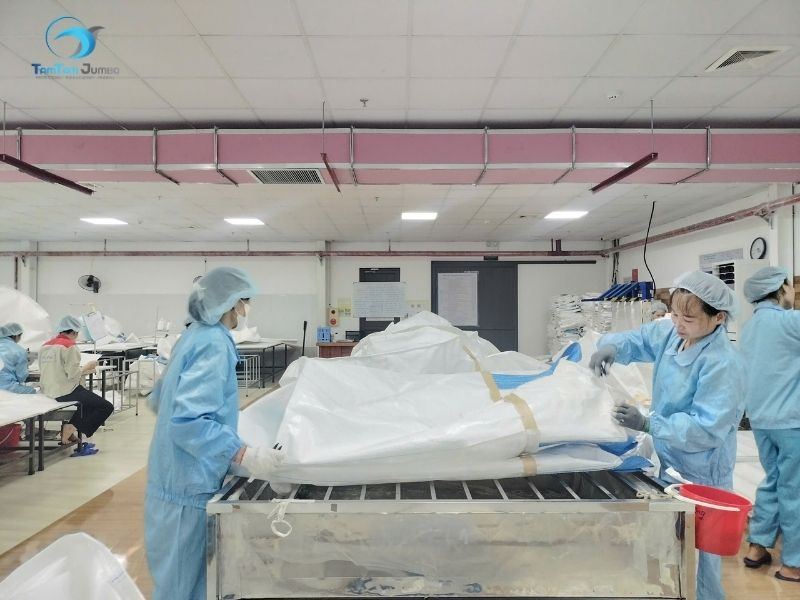
Resin quality for molding and extrusion applications depends on freedom from foreign material, including loose fabric fibers that can shed from a bag’s interior surface during filling, transport, and discharge. Fabric construction and interior finishing should minimize this fiber shedding risk, and buyers producing high-specification resin grades should confirm this is addressed in the bag’s construction rather than assumed from general bag quality.
Food-Contact Grade Resin: When Food Grade FIBC Bags Are Required
Resin intended for food-contact packaging applications, such as containers or films that will directly touch food products, often requires the resin itself to be packaged in food grade FIBC bags to maintain chain-of-custody hygiene standards through to the resin’s end use. This adds BRC-certified manufacturing and virgin fabric requirements on top of the standard resin packaging specification.
Read more: Food Grade FIBC Bags: What a BRC Certificate Actually Confirms
Powder and Micronized Resin: Dust and Combustibility Considerations
Not all resin moves as pellets. Micronized or powder-form resin used in certain coating and specialty applications behaves more like a fine chemical powder, introducing dust containment needs and, in some cases, genuine combustible dust risk that pellet-form resin does not present. These products should be assessed against the same dust proof and anti-static considerations applied to other fine combustible powders rather than treated the same as standard pellet resin.
Read more: Dust Proof Bulk Bags: Controlling Exposure Standard Sift Proofing
Standard Capacity and Construction for Resin Pellets
Resin pellets commonly move in 1000kg bags, aligning with standard pneumatic unloading and material handling equipment at processing facilities. Construction type is typically circular or baffled, since resin’s free-flowing nature and relatively consistent density make container space efficiency a meaningful factor for high-volume resin shipments.
Read more: FIBC Bag Construction Types: Circular, U and 4 Panel Compared
Building a Complete Resin FIBC Specification
Bringing these considerations together, a complete resin bag specification typically addresses anti-static construction for pneumatic handling environments, interior fabric finishing to minimize fiber shedding, food grade certification if the resin is destined for food-contact end use, and dust containment if the resin is in powder or micronized form rather than standard pellets.
Common Resin FIBC Specification Combinations
| Resin Type | Typical Specification Combination |
| Standard virgin resin pellets | Anti-static construction, standard circular or baffled build, 1000kg capacity |
| Food-contact grade resin pellets | BRC certified facility, virgin fabric, anti-static construction, contamination-controlled interior finish |
| Micronized or powder resin | Dust proof seams, Type C anti-static protection if combustible, sealed spout design |
| Recycled or reprocessed resin pellets | Standard construction, contamination control less critical than virgin grade applications |
How Tam Tam Packaging Specifies Bags for Plastic Resin
Tam Tam Packaging builds resin bag specifications around anti-static construction for pneumatic handling, contamination-controlled interior finishing, and food grade certification where the resin’s end use requires it, rather than applying a single generic industrial bag template. Specification sheets document each relevant requirement individually so buyers can confirm the bag matches their resin grade and handling process.
Common Mistakes When Sourcing Resin FIBC Bags
- Assuming resin pellets don’t need anti-static protection since the resin itself isn’t classified as hazardous.
- Overlooking fiber shedding risk for high-specification resin grades sensitive to foreign material contamination.
- Not confirming food grade requirements for resin destined for food-contact packaging applications.
- Treating powder or micronized resin the same as standard pellet resin without addressing dust containment.
- Choosing bag specification based on resin type alone without considering the specific pneumatic handling equipment in use.
Applications in the Chemical and Polymer Industry
Plastic resin packaging sits within the broader chemical and polymer manufacturing industry, sharing some specification considerations with other chemical powders while requiring its own approach to static control and contamination prevention specific to pellet and pneumatic handling. Resin producers and compounders benefit from treating static discharge risk and contamination control as the two primary specification drivers, layering food grade or dust containment requirements on top only when the specific resin grade or form requires them.
Frequently Asked Questions
Do plastic resin pellets need anti-static Type C FIBC bags?
Generally yes, since resin pellets generate static readily during pneumatic conveying and filling, even when the resin itself is not classified as a combustible hazard.
Why does fiber shedding matter for resin packaging?
Loose fabric fibers shedding from a bag’s interior can contaminate high-specification resin grades used in precision molding or extrusion applications, affecting product quality.
Does resin need food grade FIBC bags?
Only when the resin is destined for food-contact packaging end use, in which case BRC-certified manufacturing and virgin fabric help maintain hygiene chain-of-custody through to the resin’s final application.
Is powder resin packaged differently than pellet resin?
Yes. Powder or micronized resin introduces dust containment and potentially combustible dust considerations that standard free-flowing pellet resin does not present.
What capacity is typical for resin FIBC bags?
1000kg is common, aligning with standard pneumatic unloading and material handling equipment at resin processing facilities.
Conclusion
FIBC bags for plastic resin need to address static discharge risk and contamination control as primary concerns, with food grade certification and dust containment layered on only when the specific resin grade or form requires them. Matching the specification to actual handling method and end use, rather than treating resin as a generic bulk commodity, protects both product quality and processing line safety.
Tam Tam Packaging Co. builds FIBC specifications for plastic resin addressing static control, contamination prevention, and food grade requirements where needed. Contact our team to work through the right specification for your resin grade.
Contact Us
Tam Tam Packaging Co.
Email: sales@tamtamjumbo.com
Website: https://tamtamjumbo.com/
Read more
FIBC Bags for Hazardous Material: How to Classify Bags Required
A UN certificate confirms a bag’s packing group and maximum weight, but it doesn’t tell...
Sep
FIBC Bags for Recycling Industry: Bulk Bag Across Material Stream
Recycling operations move an unusually wide range of material through FIBC packaging, plastic flakes, metal...
Sep
FIBC Bags for Construction: A Complete Guide Across Materials
Walk onto almost any construction site or materials yard and the bulk bags you see...
Aug
FIBC Bags for Flour: Why Allergen Status Change the Specification
Flour shares the fine-particle and combustible dust characteristics of other food powders, but wheat’s status...
Aug
FIBC Bag for Starch Powder: Dustproof Bag Needs Antistatic
Starch powder occupies an unusual position in FIBC specification: it is a common food and...
Aug
FIBC Bags for Animal Feed: What Actually Makes a Clean Bulk Bag
FIBC bags for animal feed mean something more specific than a bag that looks unused....
Aug