
A bag that performs perfectly in short domestic truck transport can still fail on a six-week sea voyage through variable humidity and temperature. Export shipping puts genuinely different demands on bulk bags than local distribution, from container loading efficiency to extended environmental exposure, and sourcing decisions should reflect that difference. This guide covers what changes for export-bound bulk bags, and what to ask when evaluating a big bag supplier in Vietnam specifically.
What Makes a Bag Export Ready Versus Standard Domestic Use
Domestic distribution typically involves shorter transit times, more predictable handling, and less environmental variability than international export shipping, where cargo can spend weeks in a sea container moving through multiple climate zones. Export-ready specification generally means treating environmental exposure, container efficiency, and documentation as core requirements rather than optional upgrades.
Container Loading Efficiency and Construction Type Choice
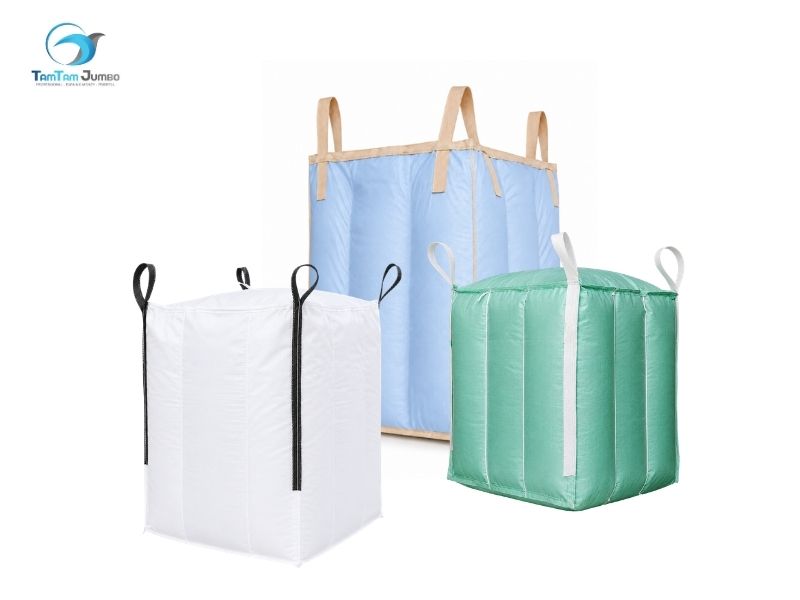
Bag construction type has a direct effect on how efficiently a container loads, since circular bags bulge and waste space while baffled or panel construction holds a more consistent block shape. For high-volume export shipments, this space efficiency compounds across a full container load in a way that matters less for smaller domestic deliveries, making construction type a genuine cost factor worth evaluating specifically for export volumes.
Temperature and Humidity Cycling During Sea Freight
Sea containers experience significant temperature swings between day and night and across different climate zones on a long voyage, which can cause condensation to form inside the container even when the cargo itself started dry. This makes moisture protection and, for extended outdoor storage before or after the voyage, UV stabilization more consistently important for export shipments than for shorter domestic moves.
Read more: FIBC UV Protection: What Outdoor Bag Storage Actually Requires
Weight Distribution and Container Loading Limits
Export shipments need to respect both the bag’s rated safe working load and the container’s total weight limit, which varies by container type and the shipping line’s specific restrictions. Buyers should confirm bag capacity and expected stacking pattern against the actual container type being used, since a specification that works for domestic palletized transport doesn’t automatically translate to safe, compliant container stacking for ocean freight.
Read more: FIBC Safe Working Load: What a Big Bag 1000kg Actually Means
Export Documentation and Certification Buyers Should Confirm
Export shipments often require more thorough documentation than domestic orders, including test reports supporting any UN rating, food grade, or other certification claims, since destination country customs or import inspection may request this documentation directly. Buyers should request this paperwork alongside the physical bags rather than assuming it will be readily available after the fact if questioned during import clearance.
Read more: FIBC Bag Testing Standards: A Complete Overview of ISO 21898
Why Vietnam Is a Practical Base for Sourcing Big Bags for Export
Vietnam’s manufacturing sector is heavily export-oriented, with established port infrastructure serving major shipping lines and reasonably direct routing to markets across Asia, Europe, and North America. This orientation means many Vietnamese FIBC manufacturers already build export documentation, container loading practices, and international quality expectations into standard operations, rather than treating export orders as an unusual exception to domestic-focused production.
What to Ask a Big Bag Supplier in Vietnam Before Ordering for Export
- What test documentation is provided alongside the shipment, and does it match the certifications actually needed for the destination market.
- What UV stabilization and moisture protection level is standard, and can it be adjusted for the buyer’s specific voyage length and climate exposure.
- What construction type does the supplier recommend for the buyer’s container loading pattern and volume.
- What lead time and minimum order quantity apply to export orders specifically, since these can differ from domestic terms.
- Whether samples are available for evaluation before committing to a full export production run.
Building a Complete Export Shipping FIBC Specification
A complete export specification typically addresses construction type for container efficiency, moisture and UV protection matched to voyage length and climate exposure, safe working load confirmed against container stacking limits, and complete test documentation provided alongside the shipment.
Common Export Shipping FIBC Specification Combinations
| Export Scenario | Typical Specification Combination |
| Short-haul regional export, dry cargo | Standard construction, moderate UV stabilization, standard documentation |
| Long ocean voyage, moisture-sensitive product | Moisture proof liner, high UV stabilization, baffled or panel construction |
| High-volume container shipments | Baffled or panel construction for space efficiency, capacity matched to container limits |
| Certified product for regulated destination market | Full test documentation package, UN or food grade certification as applicable |
How Tam Tam Packaging Supports Export Shipping Orders From Vietnam
Tam Tam Packaging builds export specifications around the buyer’s actual voyage length, climate exposure, and container loading pattern, providing test documentation alongside shipments and adjusting UV and moisture protection levels based on realistic transit conditions rather than a single default export specification.
Common Mistakes When Sourcing FIBC Bags for Export
- Using a domestic-standard specification for a long ocean voyage without adjusting UV and moisture protection.
- Not confirming test documentation will be available for destination customs or import inspection.
- Choosing construction type based on unit cost alone without evaluating container loading efficiency for the actual shipment volume.
- Overlooking container weight limits when planning bag capacity and stacking pattern.
- Not requesting samples before committing to a full export production run with a new supplier.
Applications Across Export-Oriented Industries
Export-bound bulk bags span agricultural commodities, industrial minerals, and chemical products moving from production regions to international buyers, with Vietnam’s own agricultural export sector, including products like rice, coffee, and pepper, providing local manufacturers with direct exposure to the practical demands of export packaging rather than a purely domestic perspective.
Read more: FIBC Bags for Sugar Packaging: What to Look for in Bag Suppliers
Frequently Asked Questions
What is different about bags used for export versus domestic shipping?
Export shipments typically face longer transit times, more environmental variability during sea freight, and more thorough documentation requirements for customs and import clearance.
Why does container loading efficiency matter more for export shipments?
Space efficiency gains from construction type compound across a full container load, making the cost difference more significant for high-volume export shipments than smaller domestic deliveries.
Does every export shipment need UV stabilized bags?
Not necessarily, but bags facing extended outdoor storage before or after a long voyage, or significant climate variation during transit, benefit from UV stabilization matched to that realistic exposure.
What should I ask a big bag supplier in Vietnam before placing an export order?
Confirm test documentation availability, UV and moisture protection levels, recommended construction type for your container loading pattern, and export-specific lead times and minimum order quantities.
Should I request samples before a full export production run?
Yes, particularly with a new supplier, to confirm the bag’s construction and documentation meet your actual requirements before committing to a full order.
Conclusion
Bulk bags for export shipping need to account for container efficiency, extended environmental exposure, and thorough documentation in ways domestic distribution typically doesn’t demand. Vietnam’s export-oriented manufacturing base makes it a practical sourcing location, provided buyers verify a specific supplier’s export documentation practices and specification flexibility directly.
Tam Tam Packaging Co. builds export-ready FIBC specifications from Vietnam, with documentation, UV and moisture protection, and container loading efficiency matched to your shipment. Contact our team to confirm the right specification for your export route.
Contact Us
Tam Tam Packaging Co.
Email: sales@tamtamjumbo.com
Website: https://tamtamjumbo.com/
Read more
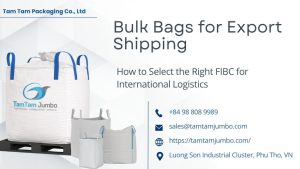
Bulk Bags for Export: What to Ask a Big Bag Supplier in Vietnam
A bag that performs perfectly in short domestic truck transport can still fail on a...
Sep
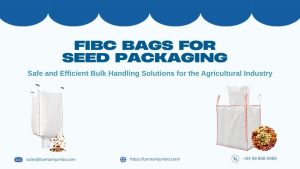
FIBC Bags for Seed Packaging: Choosing Right Liner for Viability
Seed packaging has a goal most other bulk commodities don’t share: keeping the product alive....
Sep

FIBC Bags for Sugar Packaging: What to Look for in Bag Suppliers
Sugar is deceptively demanding to package well in bulk. It is highly hygroscopic, fine enough...
Sep
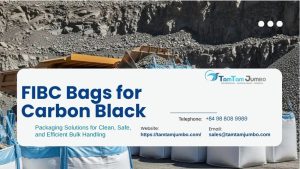
FIBC Bags for Carbon Black: When a BRC Certificate Applies
Carbon black is overwhelmingly an industrial material, used as a reinforcing filler in tire and...
Sep
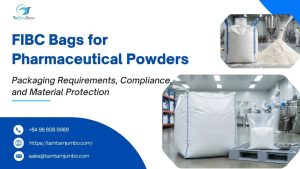
FIBC Bags for Pharmaceutical Powders: What Sets a Pharma Bag
Pharmaceutical powder handling sits at the far end of the specification spectrum from general industrial...
Sep
FIBC Bags for Hazardous Material: How to Classify Bags Required
A UN certificate confirms a bag’s packing group and maximum weight, but it doesn’t tell...
Sep