
When handling flammable powders or operating in hazardous environments, many buyers search for “conductive FIBC bag explained”—but often struggle to understand how they actually work.
Choosing the wrong bulk bag in these conditions can result in:
- Electrostatic discharge (ESD) risks
- Fire or explosion hazards
- Serious compliance violations
From a manufacturer’s perspective, conductive FIBC bags are not just an upgrade—they are a critical safety solution.
In this guide, Tam Tam Packaging Co. explains everything you need to know about conductive FIBC bag (Type C), including structure, working principles, applications, and real-world insights.
What Are Conductive FIBC Bags?
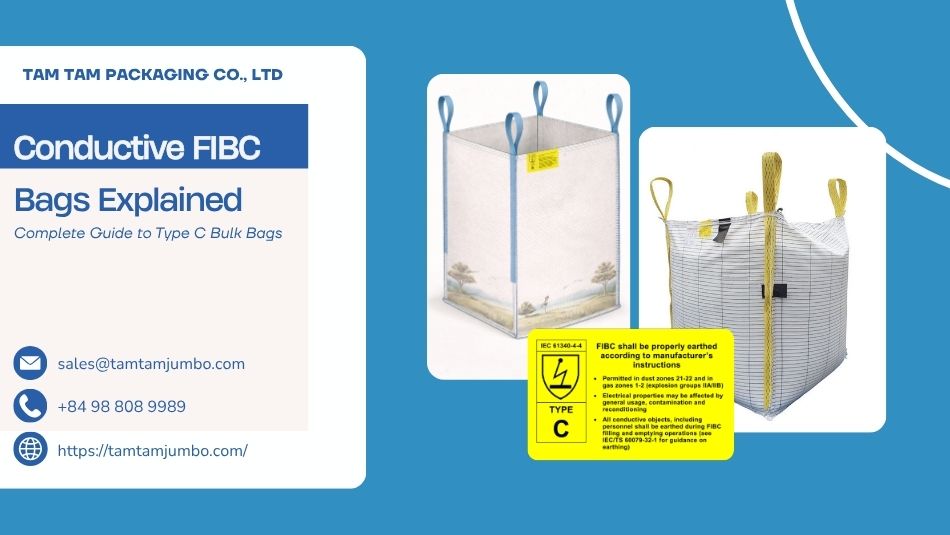
Conductive FIBC bags, also known as Type C FIBC bags, are bulk containers designed with interwoven conductive threads that allow static electricity to safely discharge to the ground during operation.
👉 Simple Definition:
Conductive FIBC bags are bulk bags that safely eliminate electrostatic charges by grounding, preventing sparks in hazardous environments.
How Conductive FIBC Bags Work
The key difference between conductive and standard bulk bags lies in static electricity control.
1. Conductive Network Inside the Fabric
- Conductive threads (carbon, metal, or blended fibers) are woven into the polypropylene fabric
- These threads form a continuous conductive grid throughout the bag
2. Grounding System
- The bag is connected to an earth grounding point during:
- Filling
- Discharging
- Static electricity flows through conductive threads → safely discharged to ground
3. Static Neutralization
- Prevents:
- Spark discharges
- Brush discharges
- Propagating brush discharges
👉 When properly grounded, the bag cannot accumulate dangerous electrostatic energy.
Why Conductive FIBC Bags Are Critical for Safety
In industrial environments, static electricity is generated by:
- Friction between materials
- Rapid filling or emptying
- Powder movement
⚠️ Risk:
Electrostatic discharge can ignite:
- Flammable dust
- Solvent vapors
- Gas mixtures
✔ Solution:
Conductive FIBC bag provide:
- Controlled discharge path
- Reliable grounding mechanism
- Compliance with safety standards
👉 This makes them essential in high-risk industries.
Key Features of Conductive FIBC Bag
- Made from woven polypropylene + conductive yarns
- Grounding tab or connection point
- Resistance to ground typically < 10⁷–10⁸ ohms
- Available with:
- Liners
- Coating
- Food-grade options
Applications of Conductive FIBC Bags
Conductive (Type C) bags are specifically used in hazardous environments.
1. Chemical Industry
- Flammable powders
- Additives
- Reactive materials
2. Petrochemical Industry
- Catalyst powders
- Refinery materials
3. Pharmaceutical Industry
- Active ingredients (API)
- Fine powders in solvent environments
4. Paint & Coating Industry
- Pigments
- Powder coatings
👉 These environments often contain both dust and flammable gases, requiring maximum protection.
When to Use Conductive FIBC Bags
✔ Recommended when:
- Handling flammable powders
- Operating in explosive atmospheres
- Flammable gases or vapors are present
✔ Industry standards:
- ATEX environments
- Chemical plants
- Hazardous material logistics
👉 Conductive FIBC bags are one of the few solutions approved for gas + dust environments simultaneously.
When NOT to Use Conductive FIBC Bags (Critical Warning)
❌ Do NOT use if:
- The bag is not properly grounded
- Ground connection is damaged
- The operator cannot ensure grounding compliance
👉 Important insight:
If not grounded, Type C bags can become more dangerous than standard bags.
Conductive FIBC vs Other Types
| Type | Static Control | Grounding | Suitable for Hazardous Environments |
| Type A | ❌ None | ❌ No | ❌ No |
| Type B | ⚠️ Limited | ❌ No | ❌ No (gas environments) |
| Type C (Conductive) | ✅ Full | ✅ Yes | ✔ Yes |
| Type D | ✅ Advanced | ❌ No | ✔ Yes |
👉 Key takeaway:
Conductive FIBC bags (Type C) provide full protection—but only when grounded.
Manufacturing Experience
At Tam Tam Packaging Co., we often see:
❗ Common mistakes:
- Using Type C without grounding
- Assuming “conductive = automatic safety”
- Ignoring the inspection of grounding systems
👉 Expert insight:
Conductive FIBC bags are only as safe as the grounding system connected to them.
How to Select the Right Conductive FIBC Bags
✔ Step 1: Evaluate hazard level
- Dust only → Type B may be enough
- Dust + gas → Type C required
✔ Step 2: Check operational capability
- Can you ensure grounding at all times?
✔ Step 3: Define specifications
- SWL: 500–2000 kg
- Safety factor: 5:1 or 6:1
- Liner requirement
✔ Step 4: Compliance
- ATEX / IEC standards
- Customer-specific requirements
Quick Summary
- Conductive FIBC bags = Type C bulk bags
- Made with conductive threads
- Require grounding during use
- Safely discharge static electricity
- Used in:
- Chemical
- Petrochemical
- Pharmaceutical industries
- Critical for environments with:
- Flammable dust
- Flammable gases
- NOT safe if grounding is not maintained
FAQ – Conductive FIBC Bags
1. What are conductive FIBC bags?
They are bulk bags with conductive threads that discharge static electricity through grounding.
2. Are conductive FIBC bags the same as Type C?
Yes, conductive FIBC bags are classified as Type C.
3. Do conductive FIBC bags require grounding?
Yes. Grounding is essential for safe operation.
4. Can they be used in explosive environments?
Yes, when properly grounded, they are suitable for hazardous environments.
5. What happens if they are not grounded?
They can become dangerous and increase the risk.
Conclusion
Understanding conductive FIBC bags explained is essential for industries dealing with hazardous materials.
These bags provide:
- Maximum electrostatic safety
- Compliance with strict regulations
- Reliable performance in high-risk environments
However, their effectiveness depends entirely on proper grounding and correct usage.
Contact Us
Looking for a reliable FIBC bags manufacturer?
Tam Tam Packaging Co. provides high-quality, customizable conductive FIBC bags tailored to your industry requirements.
- 📧 Email: sales@tamtamjumbo.com
- 🌐 Website: https://tamtamjumbo.com/
👉 Contact us today for expert consultation and quotation.
Read more
FIBC Bags for Flour: Why Allergen Status Change the Specification
Flour shares the fine-particle and combustible dust characteristics of other food powders, but wheat’s status...
Aug
FIBC Bag for Starch Powder: Dustproof Bag Needs Antistatic
Starch powder occupies an unusual position in FIBC specification: it is a common food and...
Aug
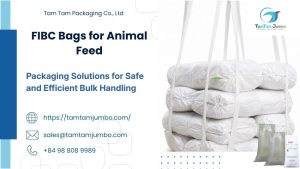
FIBC Bags for Animal Feed: What Actually Makes a Clean Bulk Bag
FIBC bags for animal feed mean something more specific than a bag that looks unused....
Aug
FIBC Bag for PET Flakes: Why UV Resistance Matter More Than It
Recycled PET flakes share a base polymer with virgin resin pellets, but the two behave...
Aug
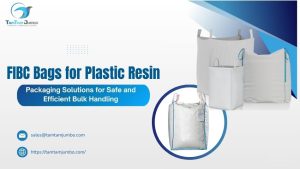
FIBC Bags for Plastic Resin: PP Fabric Packaging PP Pellets
There is a certain irony in shipping polypropylene resin pellets inside a bag woven from...
Aug
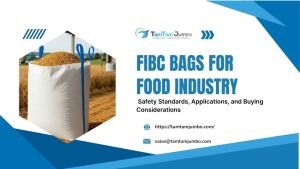
FIBC Bags for the Food Industry: Building a Food Grade Bag
Food manufacturers sourcing bulk ingredient packaging are working from a different starting point than a...
Aug