
PP woven bags are one of the most widely used industrial packaging solutions for transporting and storing dry bulk materials. Their strength, lightweight structure, cost efficiency, and customization flexibility make them suitable for agriculture, chemicals, food ingredients, construction materials, and export logistics.
Although PP woven bags appear simple, their performance depends heavily on raw material quality, weaving density, lamination structure, sewing accuracy, and production consistency.
For international buyers, understanding what PP woven bags are and how they are manufactured helps reduce packaging failures, product contamination risks, and transportation losses.
At Tam Tam Packaging Co., PP woven packaging is engineered based on the product’s weight, filling method, transportation environment, and export requirements rather than using a single standard specification for every application.
This article explains the structure, manufacturing process, applications, and technical considerations of PP woven bags from an industrial manufacturing perspective.
What is PP Woven Bag?
PP woven bags are packaging bags manufactured from woven polypropylene tapes.
Polypropylene (PP) is a thermoplastic polymer that is:
- Lightweight
- Durable
- Moisture resistant
- Chemically resistant
- Suitable for industrial packaging
The term “woven” refers to the weaving process where stretched PP tapes are interlaced to create fabric sheets.
Simple Definition
PP woven bags are industrial packaging bags made from woven polypropylene tapes designed for transporting and storing bulk dry materials.
These bags are commonly used for:
- Rice
- Flour
- Sugar
- Fertilizer
- Cement
- Animal feed
- Chemicals
- Resin pellets
How PP Woven Bags Are Manufactured
Understanding the production process helps buyers evaluate bag quality more accurately.
Step 1: Polypropylene Extrusion
Polypropylene resin is melted and stretched into thin tapes using extrusion lines.
The tape quality affects:
- Tensile strength
- Fabric durability
- Weaving consistency
Virgin resin generally provides:
- Better strength
- Improved appearance
- Higher durability
Step 2: Circular Weaving
The PP tapes are woven into tubular fabric using circular looms.
The weaving density determines:
- Fabric strength
- Weight capacity
- Tear resistance
Poor weaving consistency can lead to:
- Fabric distortion
- Weak tensile performance
- Uneven bag structure
Step 3: Lamination (Optional)
Some PP woven bags receive a laminated coating for:
- Moisture protection
- Dust control
- Improved printing quality
Laminated bags are commonly used for:
- Chemicals
- Food products
- Fine powders
Unlaminated bags are often preferred when breathability is required.
Step 4: Printing
Industrial buyers frequently require custom printing for:
- Branding
- Product information
- Regulatory labeling
- Handling instructions
Flexographic printing is commonly used for PP woven bags.
Step 5: Cutting and Sewing
The woven fabric is cut and sewn into finished bags.
The sewing quality significantly affects:
- Bag durability
- Load stability
- Transportation performance
Weak stitching is one of the most common causes of bag failure during export handling.
Main Types of PP Woven Bags
Standard PP Woven Bag
These are basic woven polypropylene bags without coating or liner.
Common Applications
- Agriculture
- Feed
- Grain
- Seeds
Advantages
- Cost efficient
- Breathable
- Lightweight
Laminated PP Woven Bags
These bags include an additional coating layer.
Benefits
- Moisture resistance
- Better printability
- Improved dust protection
Common Industries
- Chemicals
- Fertilizer
- Food ingredients
BOPP Laminated Bags
BOPP (Biaxially Oriented Polypropylene) film is laminated onto woven fabric.
Advantages
- High-quality printing
- Better visual appearance
- Improved shelf presentation
These bags are common in retail packaging applications.
Gusseted PP Woven Bags
Gusseted bags include side folds that improve:
- Stacking efficiency
- Shape stability
- Storage optimization
Valve PP Woven Bag
Valve bags are designed for automatic filling systems.
Common Uses
- Cement
- Construction materials
- Industrial powders
Common Specifications of PP Woven Bag
| Feature | Typical Range |
| Capacity | 5 kg – 50 kg |
| Fabric GSM | 55 – 140 GSM |
| Width | 30 – 120 cm |
| Length | Custom |
| Printing Colors | 1–8 colors |
| Coating | Laminated or unlaminated |
| UV Protection | Optional |
| Liner | Optional |
Specifications vary depending on:
- Product density
- Transportation conditions
- Filling systems
- Export requirements
Advantages of PP Woven Bags
High Strength-to-Weight Ratio
PP woven bags provide strong tensile performance while remaining lightweight.
This reduces:
- Packaging weight
- Shipping cost
- Material consumption
Excellent Cost Efficiency
Compared with rigid packaging solutions, PP woven bags offer:
- Lower packaging cost
- Better storage efficiency
- Reduced logistics expenses
This makes them widely used in high-volume industries.
Good Moisture Resistance
Laminated PP woven bags help protect products against:
- Humidity
- External moisture
- Environmental exposure
Flexible Customization
Manufacturers can customize:
- Bag dimensions
- Printing
- Coating
- UV resistance
- Liner structure
- Top and bottom design
Suitable for Export Logistics
PP woven bags are widely used in international shipping because they:
- Stack efficiently
- Reduce storage space
- Support container optimization
Limitations of PP Woven Bags
Limited Barrier Protection
Standard woven bags are not fully airtight unless liners or coatings are added.
Sensitive products may require:
- PE liners
- Lamination
- Additional moisture barriers
UV Degradation Risk
Without UV stabilization, prolonged sunlight exposure can weaken the fabric.
Export bags often include UV additives for outdoor storage applications.
Sewing Area Vulnerability
The sewing area is one of the most stressed parts of the bag.
Poor sewing quality may cause:
- Product leakage
- Seam breakage
- Transportation damage
Common Applications of PP Woven Bags
Agriculture Industry
PP woven bags are widely used for:
- Rice
- Corn
- Seeds
- Animal feed
- Fertilizer
Breathable fabric helps reduce moisture buildup in some agricultural products.
Chemical Industry
Chemical products often require laminated woven bags for:
- Powder containment
- Moisture resistance
- Safe transportation
Food Industry
Food-grade PP woven bags are used for:
- Flour
- Sugar
- Starch
- Salt
- Food additives
Food applications may require:
- Virgin resin
- Food-grade liners
- Clean production conditions
Construction Industry
Construction materials frequently packed in PP woven bags include:
- Cement
- Mortar
- Sand additives
- Industrial minerals
Valve bags are particularly common in automated cement filling systems.
PP Woven Bags vs Paper Bags
| Feature | PP Woven Bags | Paper Bags |
| Moisture Resistance | Better | Lower |
| Tear Resistance | Higher | Moderate |
| Cost Efficiency | Higher | Moderate |
| Print Appearance | Good | Excellent |
| Durability | Excellent | Moderate |
| Reusability | Better | Limited |
Paper bags may provide a premium visual appearance, while PP woven bags offer stronger industrial durability.
Buyer Considerations Before Purchasing
Understand Product Characteristics
The packaged product affects:
- Fabric selection
- Lamination requirements
- Liner specifications
- Bag strength
Heavy or abrasive materials require stronger fabric structures.
Evaluate Filling Systems
Some filling systems require:
- Valve bags
- Open-mouth bags
- Automatic filling compatibility
The bag structure should match operational equipment.
Consider Export Conditions
International shipments may involve:
- Humidity
- Long storage periods
- Rough handling
- Container compression
Packaging specifications should account for these conditions.
Verify Manufacturing Quality
Two bags with similar appearances may perform very differently.
Industrial buyers should evaluate:
- Fabric consistency
- Tape quality
- Sewing strength
- Lamination adhesion
- Quality control systems
Manufacturing Insight: Why Fabric Quality Matters
At Tam Tam Packaging Co., woven fabric consistency is considered one of the most critical production factors.
Low-quality fabric may result in:
- Uneven tensile strength
- Fabric deformation
- Reduced load capacity
- Shorter service life
High-quality weaving improves:
- Bag durability
- Stacking performance
- Transportation safety
- Printing consistency
Industrial packaging performance starts with stable woven fabric production.
Quick Summary
PP woven bags are:
- Packaging bags made from woven polypropylene tapes
- Widely used in industrial and agricultural applications
- Lightweight, durable, and cost-efficient
Common types include:
- Standard woven bags
- Laminated bags
- BOPP bags
- Valve bags
- Gusseted bags
They are commonly used in:
- Agriculture
- Chemicals
- Food
- Construction
- Export logistics
The right specification depends on:
- Product type
- Filling system
- Transportation conditions
- Export requirements
FAQ
What is PP woven bag made of?
PP woven bags are made from woven polypropylene tapes produced from polypropylene resin.
Are PP woven bags waterproof?
Standard PP woven bags are water-resistant but not fully waterproof. Laminated bags provide better moisture protection.
What industries use PP woven bags?
Agriculture, food, chemicals, construction, fertilizer, and industrial manufacturing industries commonly use PP woven bags.
What is the difference between laminated and unlaminated PP woven bags?
Laminated bags include a coating layer for improved moisture resistance and dust protection, while unlaminated bags remain breathable.
Can PP woven bags be customized?
Yes. Manufacturers can customize dimensions, printing, coating, UV protection, and liner structures based on buyer requirements.
Conclusion
PP woven bags remain one of the most practical and efficient industrial packaging solutions for bulk dry materials.
Their durability, lightweight structure, and production flexibility make them suitable for a wide range of industries and export applications.
For industrial buyers, selecting the correct PP woven bag specification requires understanding:
- Product characteristics
- Filling systems
- Transportation conditions
- Fabric quality
- Manufacturing consistency
Well-engineered woven packaging improves operational reliability, reduces packaging losses, and supports efficient international logistics.
Contact Us
Tam Tam Packaging Co.
Email: sales@tamtamjumbo.com
Website: https://tamtamjumbo.com/
Read more
FIBC Bags for Flour: Why Allergen Status Change the Specification
Flour shares the fine-particle and combustible dust characteristics of other food powders, but wheat’s status...
Aug
FIBC Bag for Starch Powder: Dustproof Bag Needs Antistatic
Starch powder occupies an unusual position in FIBC specification: it is a common food and...
Aug
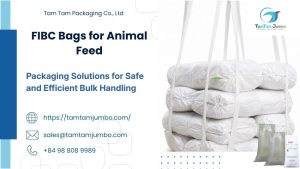
FIBC Bags for Animal Feed: What Actually Makes a Clean Bulk Bag
FIBC bags for animal feed mean something more specific than a bag that looks unused....
Aug
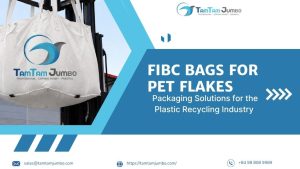
FIBC Bag for PET Flakes: Why UV Resistance Matter More Than It
Recycled PET flakes share a base polymer with virgin resin pellets, but the two behave...
Aug
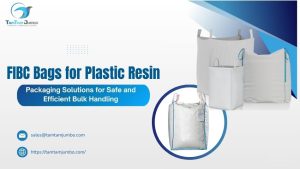
FIBC Bags for Plastic Resin: PP Fabric Packaging PP Pellets
There is a certain irony in shipping polypropylene resin pellets inside a bag woven from...
Aug
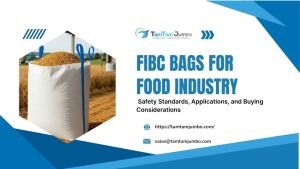
FIBC Bags for the Food Industry: Building a Food Grade Bag
Food manufacturers sourcing bulk ingredient packaging are working from a different starting point than a...
Aug