

What is Type B FIBC bags? Learn definition, safety features, applications, and limitations. Expert guide from a trusted FIBC manufacturer.
Introduction
When dealing with bulk materials—especially powders—many buyers ask: “What is type B FIBC bags and when should I use them?”
At first glance, Type B bags seem like a safer upgrade from standard bulk bags. However, misunderstanding their function can lead to:
- Incorrect application in hazardous environments
- Safety risks related to static electricity
- Compliance issues in regulated industries
From a manufacturer’s perspective, Type B FIBC bags are often misunderstood as “anti-static bags”, which is not entirely accurate.
In this guide, Tam Tam Packaging Co. explains everything you need to know about Type B FIBC bags—from definition and working principles to real-world applications and limitations.
What Is Type B FIBC Bags?
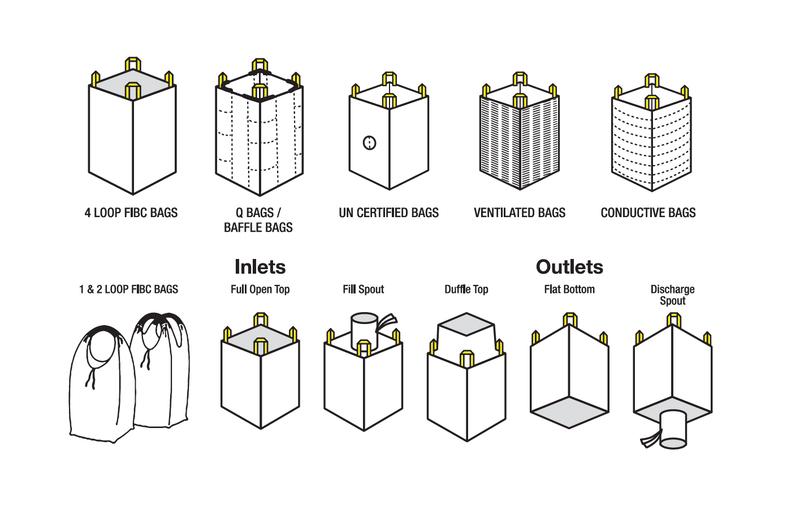
Type B FIBC bags are bulk bags made from woven polypropylene fabric with a low breakdown voltage (typically < 6 kV), designed to reduce the risk of dangerous static discharges.
👉 Simple Definition:
Type B FIBC bags are bulk containers that limit high-energy static sparks but do not dissipate static electricity completely.
How Type B FIBC Bags Work
Like standard bulk bags, Type B bags are made from non-conductive material—but with a critical improvement:
✔ Key mechanism:
- Fabric is engineered to limit breakdown voltage
- Prevents propagating brush discharges (PBD)—a dangerous type of spark
✔ What they can do:
- Reduce high-energy electrostatic sparks
- Lower ignition risk for dust-air mixtures
❌ What they cannot do:
- Do NOT dissipate static charge
- Do NOT eliminate all spark risks
👉 This is why Type B bags are not classified as fully anti-static.
Key Characteristics of Type B FIBC Bags
- Made from woven polypropylene (PP)
- Breakdown voltage typically below 4–6 kV
- No conductive threads
- No grounding required
- Moderate static protection
👉 Important:
Type B bags sit between Type A (no protection) and Type C/D (full protection).
Applications of Type B FIBC Bags
Type B bags are used in environments with limited electrostatic risk.
1. Chemical Industry
- Dry powders
- Additives
- Plastic resins
👉 Especially useful when materials generate static during handling.
2. Powder Handling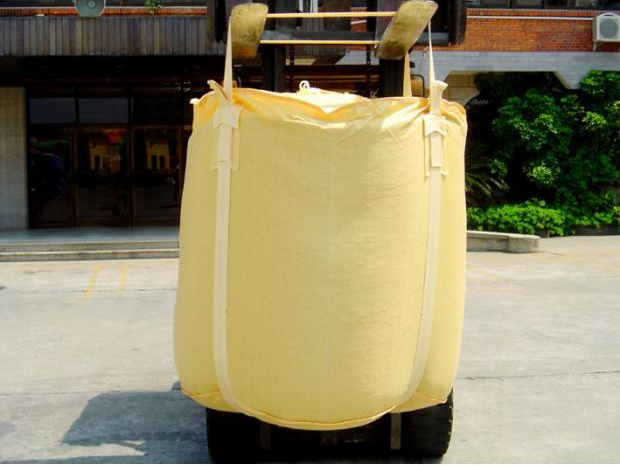
- Fine powders
- Dust-generating materials
👉 These materials can create an electrostatic charge during filling and discharge.
3. Industrial Processing
- Granules with friction
- Bulk materials requiring moderate safety
✔ Safe Conditions:
- Presence of combustible dust
- No flammable gases or solvent vapors
When NOT to Use Type B FIBC Bags
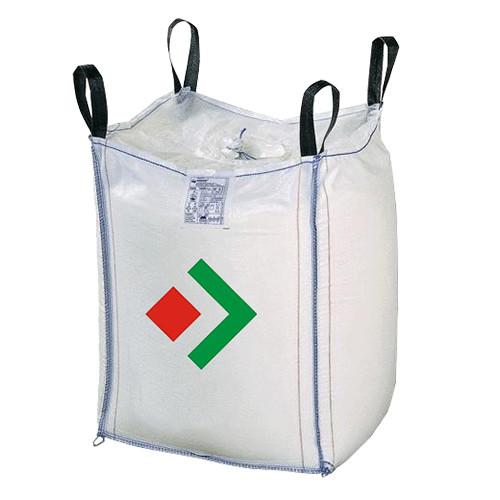
This is where many buyers make mistakes.
❌ Do NOT use Type B when:
- Flammable gases or vapors are present
- Solvent environments exist
- High-risk explosion zones (Zone 0, Zone 1)
👉 Reason: Type B bags cannot prevent all types of electrostatic discharge, especially in gas environments.
Type B vs Type A FIBC Bags
| Criteria | Type A | Type B |
| Static protection | ❌ None | ⚠️ Limited |
| Breakdown voltage | High | < 6 kV |
| Spark risk | High | Reduced |
| Suitable for flammable powders | ❌ No | ✔ Limited |
| Suitable for flammable gases | ❌ No | ❌ No |
👉 Key insight: Type B is a safer upgrade over Type A—but still not suitable for high-risk environments.
For businesses handling non-flammable materials in low-risk environments, Type A FIBC bags are often the most economical bulk packaging solution. However, unlike Type B bags, they provide no electrostatic protection and are not suitable for dust-sensitive operations.
👉 Read our complete guide: What Is Type A FIBC Bags? Complete Guide for Industrial Bulk Packaging to understand their applications, advantages, and safety limitations.
Type B vs Type C and Type D
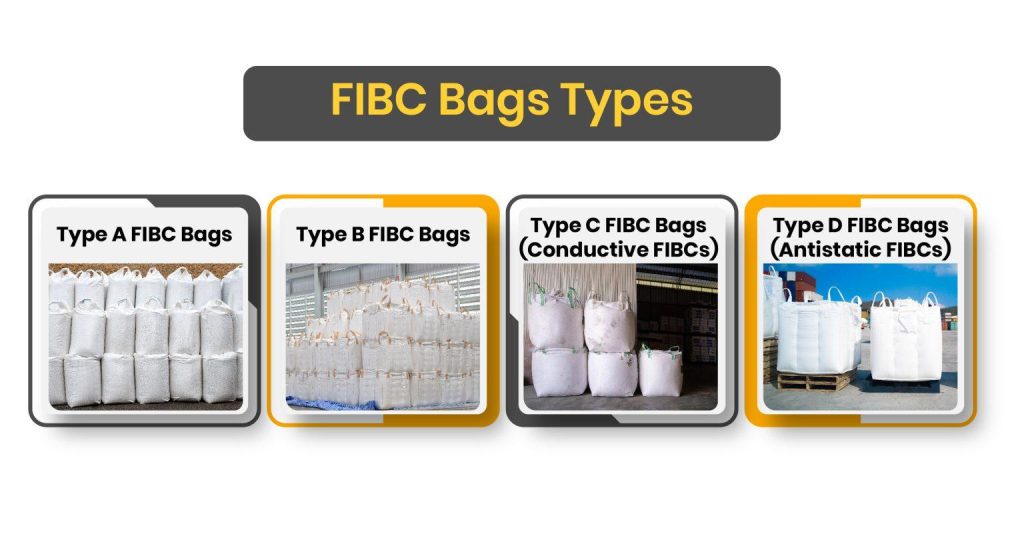
| Type | Static Control | Grounding | Safety Level |
| Type B | Limited | No | Medium |
| Type C | Conductive | Yes | High |
| Type D | Dissipative | No | Highest |
👉 For hazardous environments, Type C or Type D is required.
Manufacturing Experience
At Tam Tam Packaging Co., we frequently observe:
❗ Common mistakes:
- Assuming Type B = anti-static
- Using Type B in chemical plants with solvents
- Choosing based on cost instead of risk
👉 Expert insight:
Type B FIBC bags are designed to reduce risk—not eliminate it.
Proper selection depends on the entire operating environment, not just the material.
How to Choose Type B FIBC Bags Correctly
✔ Choose Type B when:
- Handling dry powders
- Static is present but low-risk
- No flammable gases
✔ Consider upgrading when:
- Working with volatile chemicals
- Operating in explosive zones
- Exporting to strict regulatory markets
✔ Additional options:
- Inner liner for fine powders
- Coating for moisture protection
- UV stabilization for outdoor use
Quick Summary
- Type B FIBC bags have low breakdown voltage (<6 kV)
- Reduce high-energy static discharges
- Do NOT dissipate static electricity
- Suitable for:
- Dry powders
- Dust environments
- NOT suitable for:
- Flammable gases
- Solvent environments
- Positioned between Type A and Type C/D
FAQ – Type B FIBC Bags
1. What is Type B FIBC bags used for?
They are used for transporting dry powders and materials that generate static electricity.
2. Are Type B bags anti-static?
No. They only provide limited protection and do not dissipate static charge.
3. What is the breakdown voltage of Type B bags?
Typically below 4–6 kV, helping prevent dangerous spark discharges.
4. Can Type B be used in hazardous environments?
Only in environments without flammable gases or vapors.
5. What is the difference between Type A and Type B?
Type B reduces static discharge risk, while Type A provides no protection.
Conclusion
Understanding what is Type B FIBC bags is essential for safe and efficient bulk material handling.
Type B bags offer:
- Improved safety over standard bags
- Cost-effective risk reduction
- Suitable performance for many industrial applications
However, they must be used in the right conditions to ensure safety and compliance.