
Learn definition, uses, limitations, and safety insights. Expert guide from a reliable FIBC manufacturer.
Introduction
When searching for bulk packaging solutions, many buyers ask: “What is Type A FIBC bags?”
At first glance, Type A FIBC bags seem like the most common and cost-effective option. However, misunderstanding their capabilities can lead to:
- Safety risks in certain environments
- Product handling issues
- Non-compliance with industry standards
From a manufacturer’s perspective, selecting the right type of FIBC bag is not just about cost—it is about matching the bag to the application.
In this guide, Tam Tam Packaging Co. explains everything you need to know about Type A FIBC bags, including their structure, applications, limitations, and how to use them correctly in industrial environments.
What Is Type A FIBC Bags?
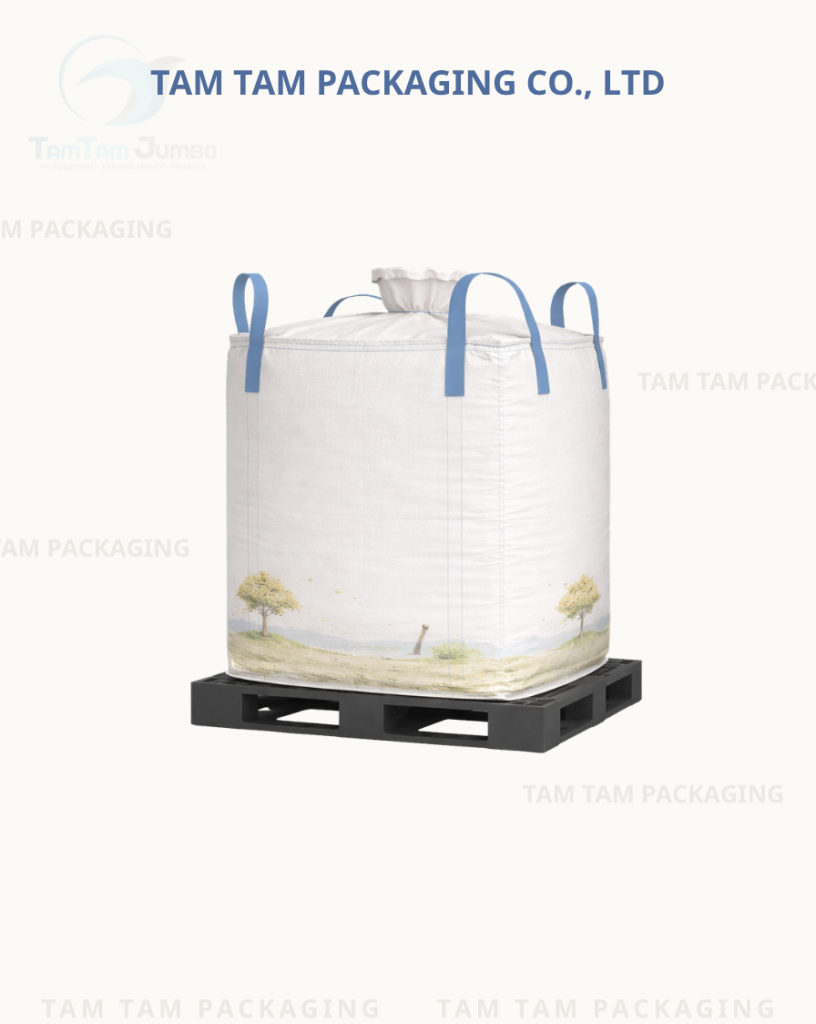
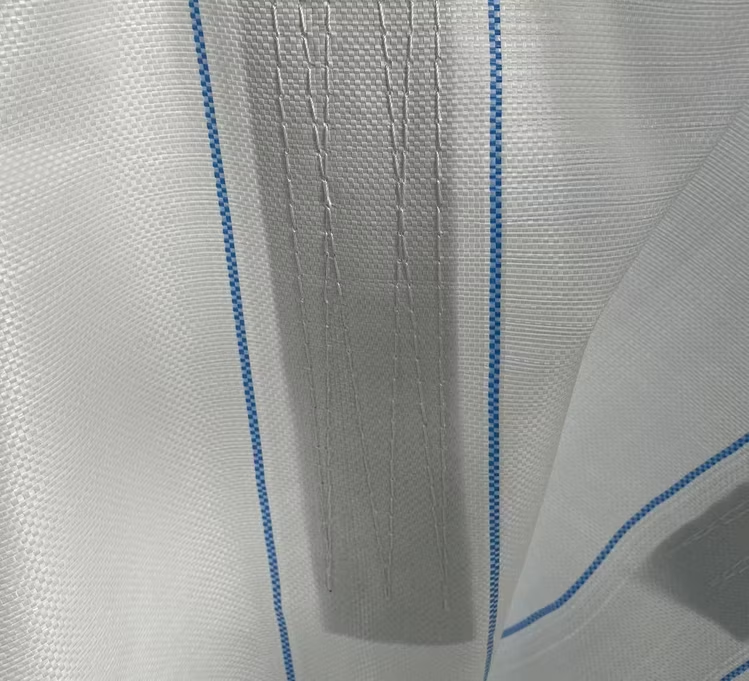
Type A FIBC bags are bulk bags made from standard woven polypropylene (PP) fabric with no electrostatic protection.
👉 Simple Definition:
Type A FIBC bags are basic bulk containers designed for transporting non-flammable materials in environments without static-related hazards.
Key Characteristics:
- Made from woven polypropylene
- No anti-static or conductive properties
- Cost-effective and widely available
- Suitable for general industrial use
How Type A FIBC Bags Work
Type A bags function as standard bulk containers without any mechanism to control static electricity.
During operation:
- Static electricity can be generated during:
- Filling
- Discharging
- Handling
- However, Type A bags:
- Do not dissipate static electricity
- Do not prevent sparks
👉 This is why they are only suitable for low-risk environments.
Common Applications of Type A FIBC Bags
Type A FIBC bags are widely used in industries where there is no risk of ignition.
1. Agriculture Industry
- Grains (rice, wheat, corn)
- Seeds
- Animal feed
👉 Ideal for dry, non-hazardous materials.
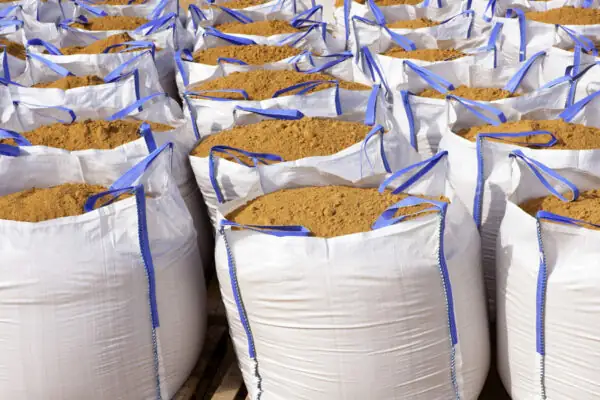
2. Construction Industry
- Sand
- Cement
- Gravel
👉 Cost-effective for large-volume materials.
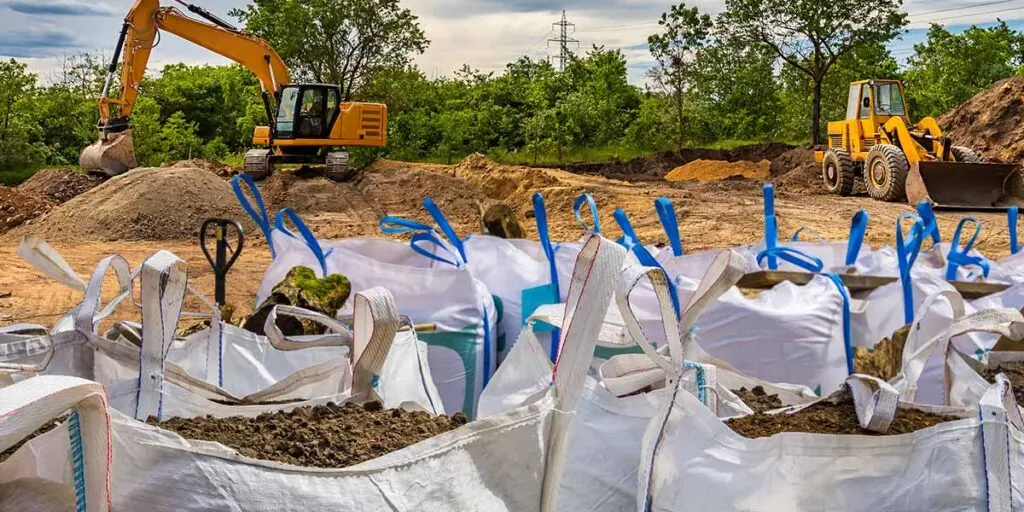
3. Mining & Minerals
- Non-flammable ores
- Aggregates
4. Recycling Industry
- Plastic scrap
- Non-hazardous waste
👉 Manufacturer insight:
Type A bags are the most commonly used because they offer the best balance between cost and performance—when used correctly.
Advantages of Type A FIBC Bags
✔ Cost Efficiency
- Lower production cost
- Ideal for high-volume orders
✔ Versatility
- Suitable for a wide range of industries
- Can be customized (size, loops, printing, liners)
✔ Lightweight and Durable
- Strong woven PP fabric
- Easy to handle and transport
✔ Widely Available
- Standard product across global markets
Limitations of Type A FIBC Bags (Critical for Safety)
Understanding limitations is essential for safe use.
❌ No Static Protection
- Cannot dissipate electrostatic charges
- May generate sparks
❌ Not Suitable for:
- Flammable powders
- Combustible dust environments
- Areas with flammable gases or vapors
❌ Compliance Restrictions
- Not allowed in certain industries (chemical, hazardous materials)
👉 Important:
Using Type A bags in hazardous environments can lead to serious safety incidents.
Type A vs Other FIBC Bag Types
| Type | Static Protection | Application |
| Type A | ❌ None | Non-hazardous materials |
| Type B | ⚠️ Limited | Low-risk powders |
| Type C | ✅ Conductive | Flammable materials (grounded) |
| Type D | ✅ Anti-static | Hazardous environments |
👉 Key takeaway:
Type A is the most basic type and should only be used when static electricity is not a concern.
How to Choose Type A FIBC Bags Correctly
From real manufacturing and export experience:
✔ Choose Type A when:
- Material is non-flammable
- The environment is safe
- Cost optimization is important
✔ Consider alternatives when:
- Handling fine powders
- Operating in chemical plants
- Exporting to strict markets (EU regulations)
✔ Additional customization:
- Coated fabric for moisture resistance
- Inner liner for fine materials
- UV protection for outdoor storage
Manufacturer Insight (Real-World Experience)
At Tam Tam Packaging Co., we frequently see:
❗ Common mistakes:
- Using Type A for chemical powders
- Ignoring static risks
- Choosing based only on price
👉 Expert insight:
In bulk handling, safety issues are rarely caused by the bag itself—but by incorrect selection.
Quick Summary
- Type A FIBC bags are standard bulk bags with no static protection
- Made from woven polypropylene
- Suitable for:
- Agriculture
- Construction
- Non-hazardous materials
- Not suitable for:
- Flammable powders
- Hazardous environments
- Most cost-effective option when used correctly
FAQ – Type A FIBC Bags
1. What is Type A FIBC bags used for?
They are used for transporting non-flammable bulk materials such as grains, sand, and aggregates.
2. Are Type A FIBC bags safe?
Yes, but only in environments without flammable gases, vapors, or dust.
3. Can Type A bags generate static electricity?
Yes, and they cannot dissipate it.
4. What is the difference between Type A and Type B?
Type B provides limited static control, while Type A provides none.
5. Can Type A FIBC bags be customized?
Yes, including size, loops, fabric type, and liners.
Conclusion
Understanding what is Type A FIBC bags is essential for selecting the right bulk packaging solution.
Type A bags are:
- Cost-effective
- Versatile
- Widely used
However, they must be used in the right environment to ensure safety and efficiency.
Working with an experienced manufacturer helps ensure correct specifications and optimal performance.
Contact Us
Looking for a reliable FIBC bags manufacturer?
Tam Tam Packaging Co. provides high-quality, customizable bulk bags tailored to your application.
- 📧 Email: sales@tamtamjumbo.com
- 🌐 Website: https://tamtamjumbo.com/
- 📱 WhatsApp: +84 32 728 6283
👉 Contact us today for expert consultation and quotation.