

What is FIBC bags? Learn everything about bulk bags, types, materials, and applications. Expert guide from a trusted FIBC manufacturer.
Introduction
If you are involved in bulk material handling, logistics, or industrial packaging, you’ve likely come across the term “what is FIBC bags”. But understanding FIBC bags beyond a basic definition is critical for making the right sourcing and operational decisions.
FIBC bags are not just large sacks—they are engineered industrial packaging solutions designed to optimize cost, safety, and efficiency in global supply chains.
In this guide, Tam Tam Packaging Co., a manufacturer of FIBC bags, will explain everything you need to know—from definition and structure to real-world applications and selection insights.
What Is FIBC Bags?
FIBC bags (Flexible Intermediate Bulk Containers) are large, flexible industrial containers made primarily from woven polypropylene (PP), designed for storing and transporting dry bulk materials such as powders, granules, and flakes.
They are also commonly known as:
- Bulk bags
- Jumbo bags
- Big bags
- Ton bags
- Super sacks
👉 Simple Definition:
FIBC bags are high-capacity, flexible packaging solutions used to handle bulk materials efficiently, typically ranging from 500 kg to 2000 kg per bag.
Why Are FIBC Bags Widely Used in Industry?
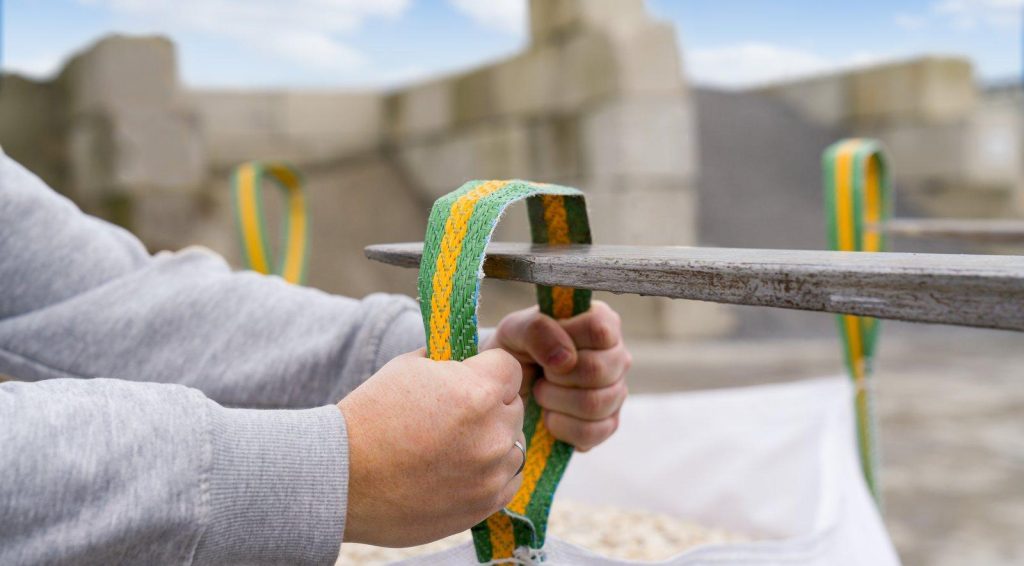
From a manufacturing and logistics perspective, FIBC bags solve three major problems:
1. Reduce Packaging Cost
Replacing dozens of small bags with one bulk bag significantly lowers:
- Labor cost
- Packaging material cost
- Handling time
2. Improve Supply Chain Efficiency
- Faster loading and unloading
- Optimized container space
- Easier handling via forklift or crane
3. Enhance Product Safety
- Reduced contamination risk
- Controlled discharge
- Optional liners for moisture protection
👉 This is why FIBC bags have become the standard bulk packaging solution globally.
What Are FIBC Bags Made Of?
FIBC bags are primarily made from woven polypropylene (PP), a thermoplastic polymer known for:
- High strength-to-weight ratio
- Durability and tear resistance
- Chemical resistance
- Flexibility and lightweight structure
Key Components of a FIBC Bag:
- Body fabric: Woven PP structure
- Lifting loops: For forklift/crane handling
- Top design: Open top, duffle top, or filling spout
- Bottom design: Flat or discharge spout
- Optional liner: PE or aluminum liner for moisture or contamination control
Types of FIBC Bags Explained
Understanding types is crucial for B2B buyers because choosing the wrong bag can impact safety and compliance.
Based on Construction
- Circular (Tubular)
- U-panel
- 4-panel
- Baffle bags (for shape stability)
Based on Static Control (Critical for Safety)
- Type A: No static protection
- Type B: Limited static control
- Type C: Conductive (requires grounding)
- Type D: Anti-static (no grounding needed)
👉 Insight (Manufacturer perspective):
For EU and chemical markets, Type C and Type D are often mandatory due to strict safety regulations.
Common Applications of FIBC Bags
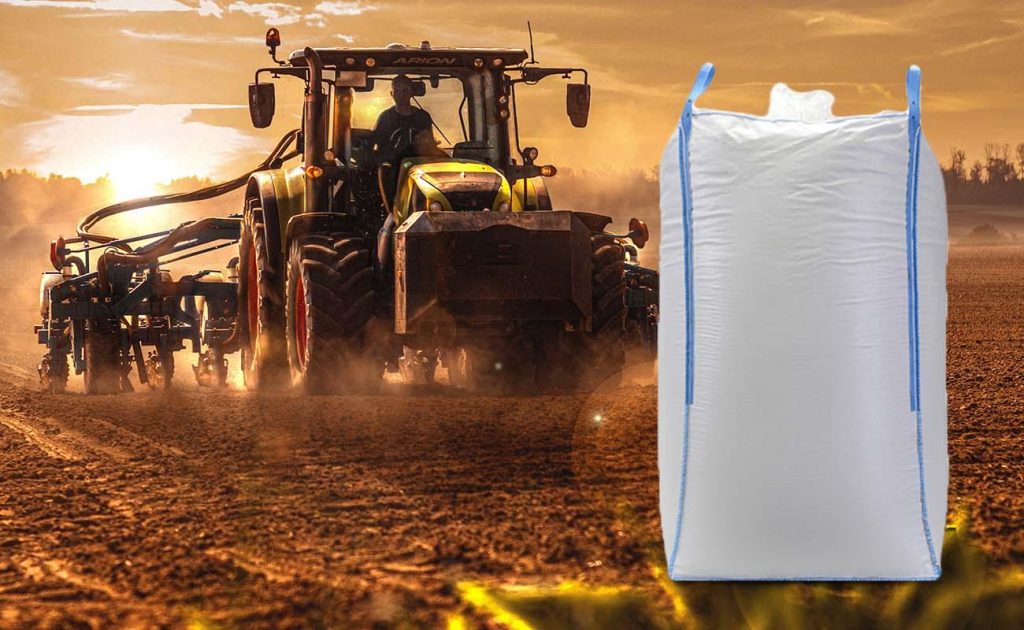
FIBC bags are used across nearly all bulk-handling industries:
Agriculture
- Grains
- Seeds
- Fertilizers
Construction
- Sand
- Cement
- Gravel
Chemical Industry
- Resin
- Powders
- Industrial chemicals
Food Industry
- Sugar
- Flour
- Starch
Mining & Recycling
- Minerals
- Scrap materials
👉 Their versatility comes from customizable design and material compatibility.
Key Specifications Buyers Should Know
When sourcing FIBC bags, these parameters are critical:
- SWL (Safe Working Load): 500 – 2000 kg
- Safety Factor (SF):
- 5:1 (single use)
- 6:1 (multi-use)
- Fabric: Coated / Uncoated
- UV Protection: Required for outdoor storage
- Liner: Required for fine powders or food
👉 Real insight:
Many buyers focus only on price, but incorrect specifications lead to product loss, safety risks, and higher total cost.
FIBC Bags vs Traditional Packaging
| Criteria | FIBC Bags | Small Bags (25–50kg) |
| Labor cost | Low | High |
| Handling speed | Fast | Slow |
| Storage efficiency | High | Medium |
| Cost per ton | Lower | Higher |
| Environmental impact | Better (less packaging) | Worse |
👉 This is why most industries are shifting toward bulk packaging.
How FIBC Bags Are Manufactured
At Tam Tam Packaging Co., the manufacturing process includes:
- PP resin extrusion into tapes
- Weaving into fabric
- Cutting and panel shaping
- Sewing and loop attachment
- Liner insertion (if required)
- Final inspection and testing
👉 Quality control is applied at every stage to ensure:
- Load safety
- Dimensional accuracy
- Compliance with international standards
How to Choose the Right FIBC Bags
For B2B buyers, selection should be based on:
✔ Material Type
- Powder vs granular vs flakes
✔ Industry Requirement
- Food grade
- Chemical safety
- UN certification
✔ Handling Method
- Forklift
- Crane
✔ Storage Conditions
- Indoor vs outdoor
Quick Summary
- FIBC = Flexible Intermediate Bulk Container
- Made from woven polypropylene
- Capacity: 500–2000 kg
- Used for bulk material handling
- Available in multiple types (A, B, C, D)
- Widely used in agriculture, construction, chemicals, and food industries
- Cost-effective and efficient packaging solution
FAQ – Frequently Asked Questions
1. What does FIBC stand for?
FIBC stands for Flexible Intermediate Bulk Container, a type of industrial bulk packaging.
2. What is the capacity of FIBC bags?
Typically between 500 kg and 2000 kg, depending on design and safety factor.
3. Are FIBC bags reusable?
Yes, depending on the safety factor (6:1 bags are designed for multiple uses).
4. Are FIBC bags waterproof?
Not completely. However, liners or coated fabric can improve moisture resistance.
5. What industries use FIBC bags?
Agriculture, chemicals, construction, food, mining, and recycling industries.
H2: Conclusion
Understanding what is FIBC bags is essential for any business dealing with bulk materials. These bags are more than just packaging—they are a strategic solution that reduces cost, improves efficiency, and ensures product safety.
Choosing the right manufacturer is equally important to ensure consistent quality, compliance, and reliable supply.