

Product Description
Chemical manufacturing plants handle a vast range of dry powders, granules, and crystalline materials — many of which carry significant electrostatic ignition risk. Organic peroxides, flammable resins, reactive monomers, and solvent-contaminated powders can all produce ignitable dust clouds during FIBC filling and discharge, and many chemical plants classify their filling stations as ATEX Zone 1 or Zone 2 due to the presence of flammable vapours from solvents and process chemicals in the surrounding environment.
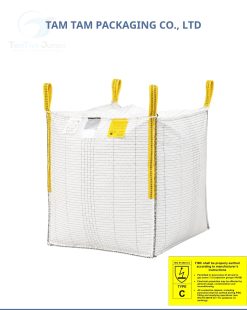
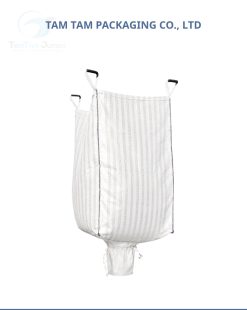
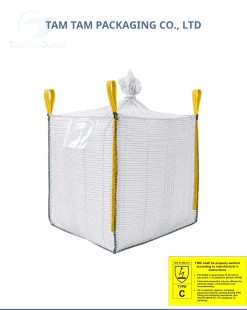
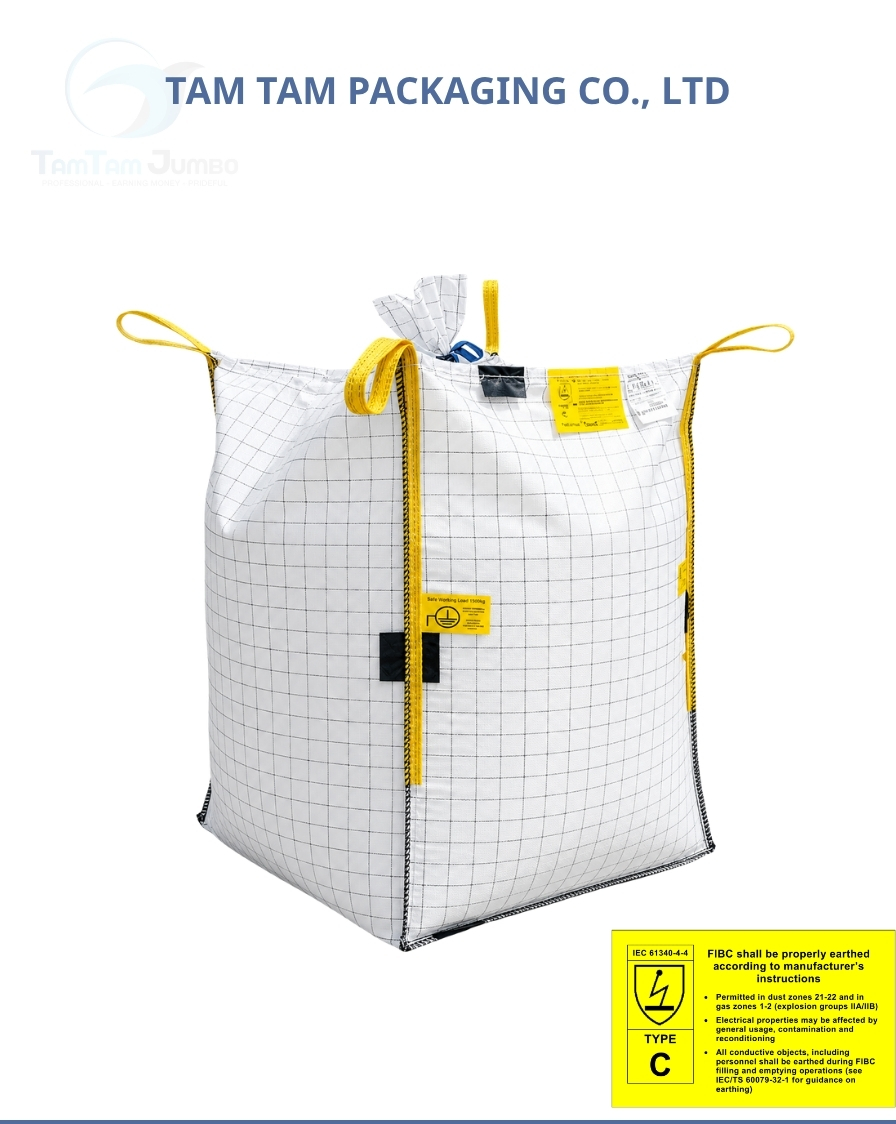
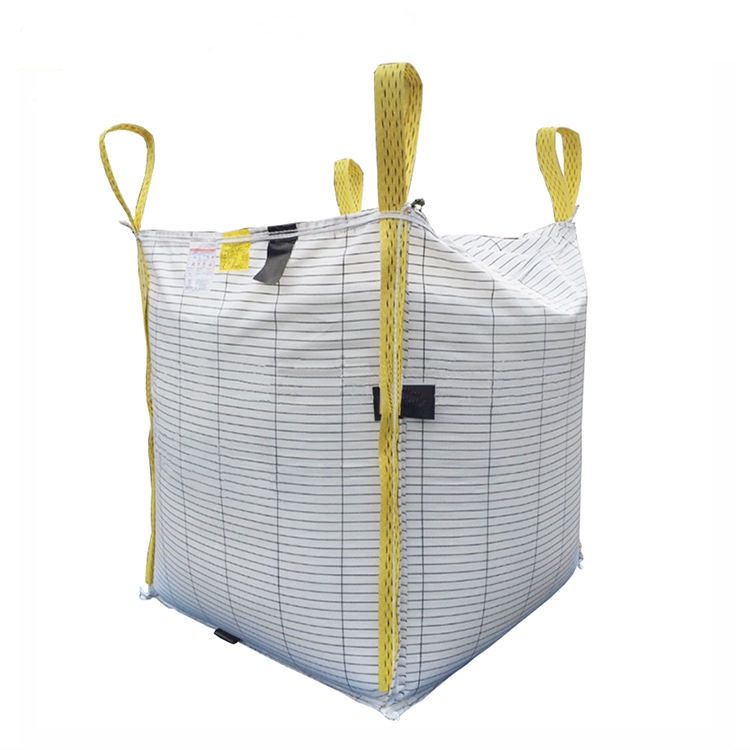
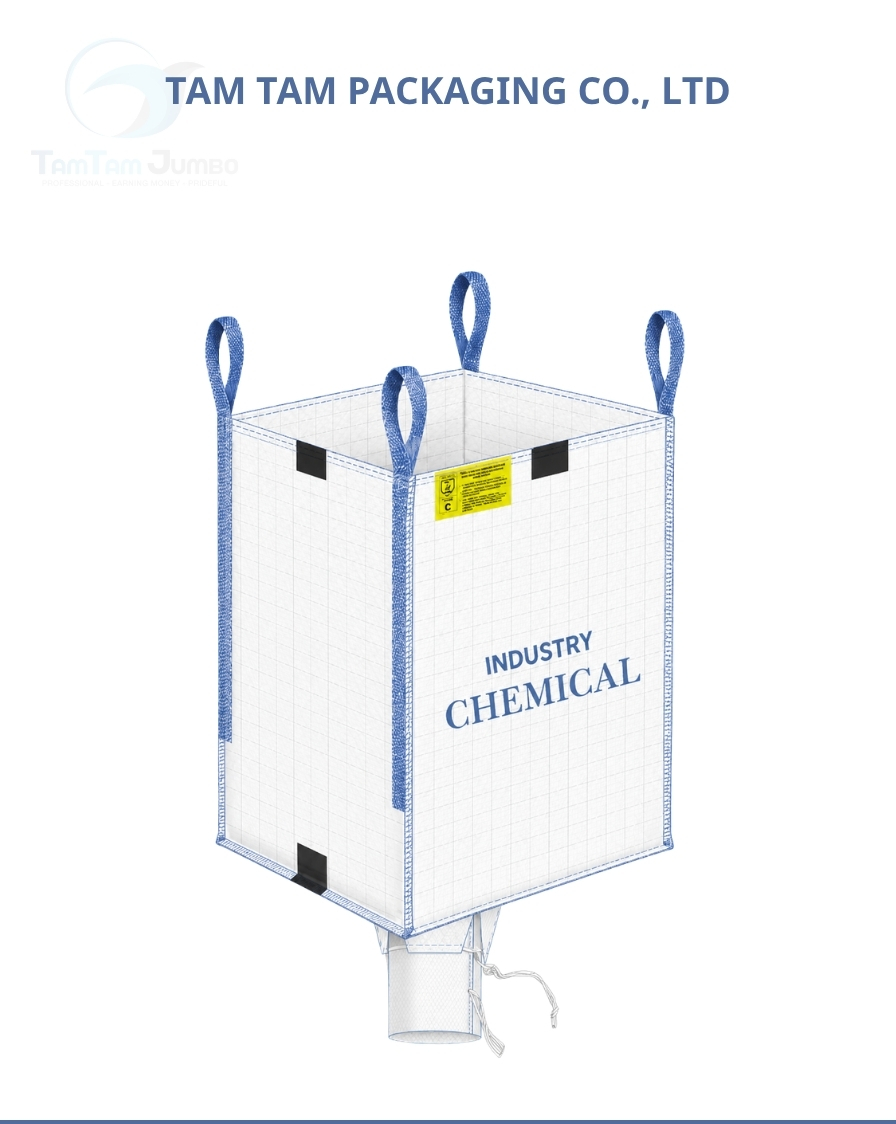
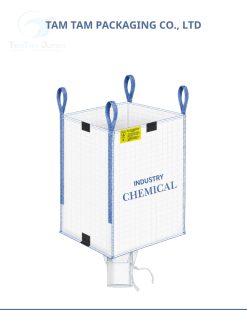
Our Type C FIBC Bags for the Chemical Industry provide the mandatory grounding path required by IEC 61340-4-4, the full electrostatic test documentation required by ATEX safety assessors, and the robust chemical-resistant PP fabric construction required by the demanding physical environment of chemical plant operations. We supply to chemical manufacturers across Europe, North America, the Middle East, and Asia with consistent quality, complete documentation, and competitive pricing.
ATEX Zone Classification & Required Bag Type
| ATEX Zone | Atmosphere Present | Required Bag Type |
| Zone 0 | Explosive atmosphere continuously present | Type C or D (with site-specific risk assessment) |
| Zone 1 | Explosive atmosphere likely during normal operation | Type C or D mandatory |
| Zone 2 | Explosive atmosphere unlikely but possible | Type C, D or Type B (risk assessment required) |
| Non-ATEX | No explosive atmosphere | Type A or B may be acceptable |
Why Choose This Bag?
- Mandatory for chemical plant ATEX Zone 1 areas — provides the grounding path required by IEC 61340-4-4 and ATEX Directive 2014/34/EU
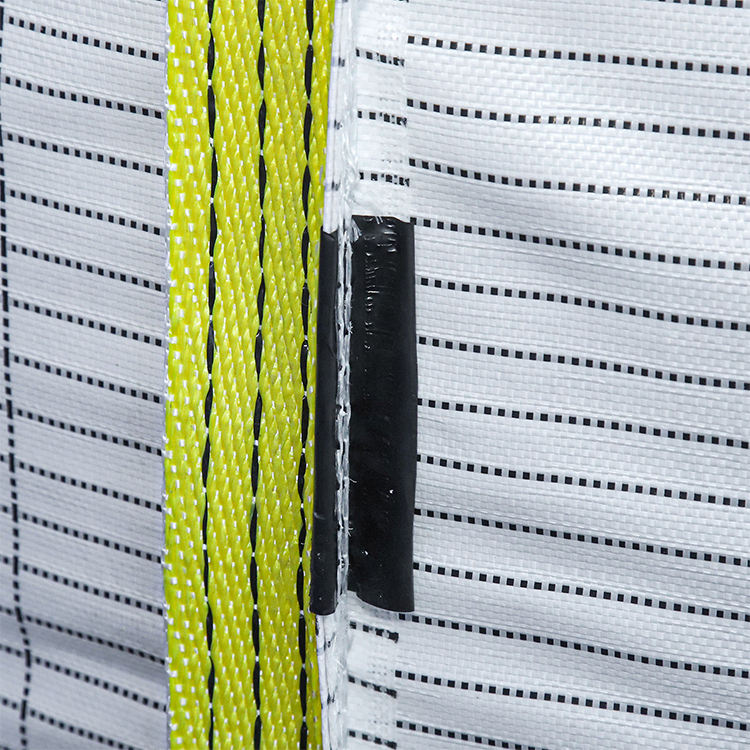
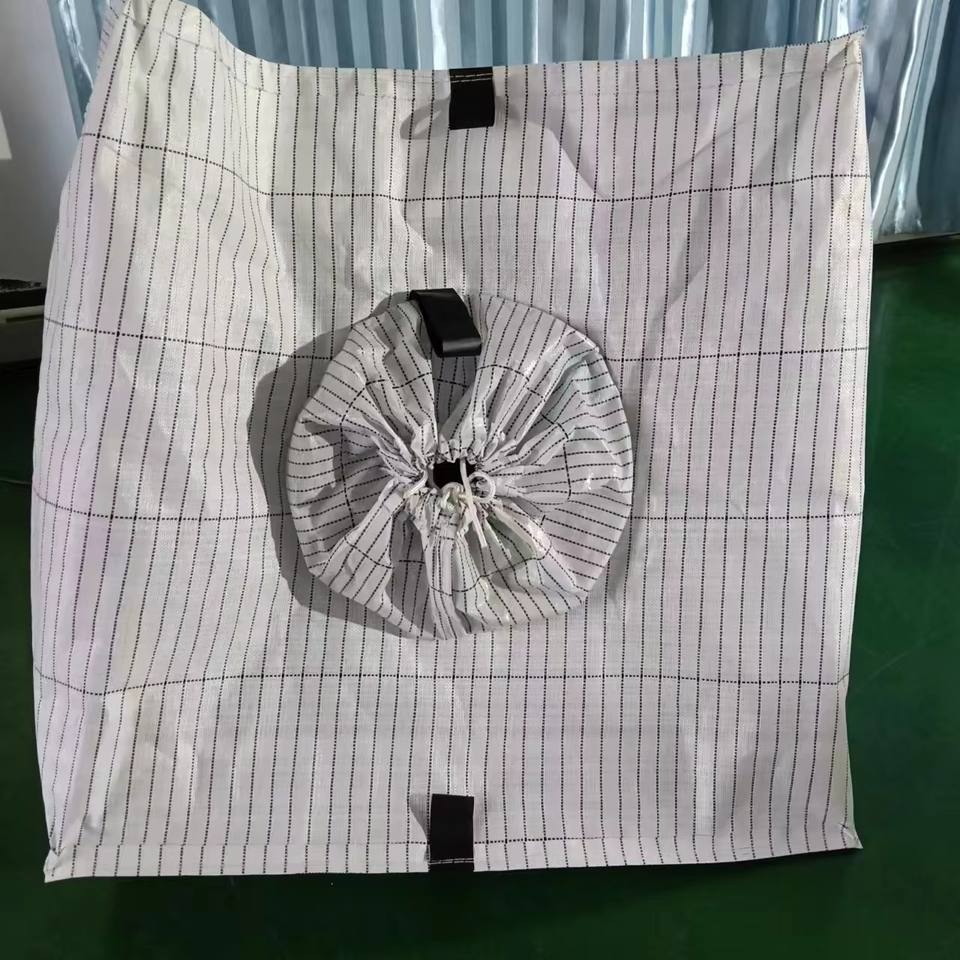
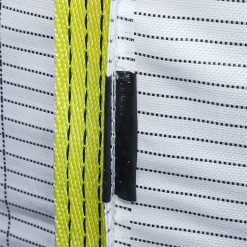
- Conductive thread grid tested to < 10⁷ ohm resistance — verified by an accredited laboratory and documented for DSEAR/ATEX compliance files
- Available in chemical-grade heavy-duty fabric (up to 250 gsm) for abrasive and dense chemical powders
- Sift-proof seams prevent fine chemical powder from escaping through seam needle holes during filling and transport
- UN certification available for hazardous chemicals classified under UN Model Regulations (ADR/RID/IMDG)
| ⚠️ SAFETY REQUIREMENT: Type C FIBC bags used in chemical plant ATEX zones MUST be grounded at a verified earth point before and during ALL filling and discharge operations. Grounding resistance must be verified at < 10⁷ ohm using a calibrated tester before each use. Never use an ungrounded Type C FIBC bag — the absence of grounding removes all electrostatic protection. |
Typical Applications Industries
- Organic peroxides, reactive monomers, and initiator compounds
- Synthetic resins, polymer powders, and thermoplastic additives
- Pigments, colour concentrates, and carbon black
- Agrochemical active ingredients: herbicide and fungicide powders
- Inorganic chemical salts and oxidising compounds in ATEX environments
- Solvated chemical powders produced in solvent-wet environments
| 💡 BUYER TIP: When ordering Type C FIBC bags for a chemical plant, request that your site’s grounding point earthing resistance is tested by a qualified electrician before first use — the bag’s grounding path is only as effective as the earth connection it terminates at. A high-resistance earth point defeats the entire system. |
Technical Specifications
| Type Classification | Type C (IEC 61340-4-4) |
| Grounding Resistance | < 10⁷ ohm (bag-to-ground) — test certificate supplied |
| ATEX Suitability | Zone 1 and Zone 2 classified areas (with proper grounding) |
| Regulatory Compliance | IEC 61340-4-4; ATEX Directive 2014/34/EU; DSEAR (UK) |
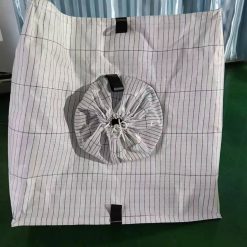
| Construction Options | Circular / U-Panel / 4-Panel |
| Fabric Grade | Chemical-grade — heavy-duty 120–250 gsm |
| Seams | Sift-proof (dust-proof) seams — standard for fine chemical powders |
| Safe Working Load | 500 kg – 2,000 kg |
| Safety Factor | 5:1 (single-use) / 6:1 (multi-trip) |
| Liner Option | Conductive L1 liner — matched system; conductive throughout |
| Top Options | Spout top (preferred) / Open top / Duffle top |
| Bottom Options | Flat bottom / Discharge spout / Conical discharge |
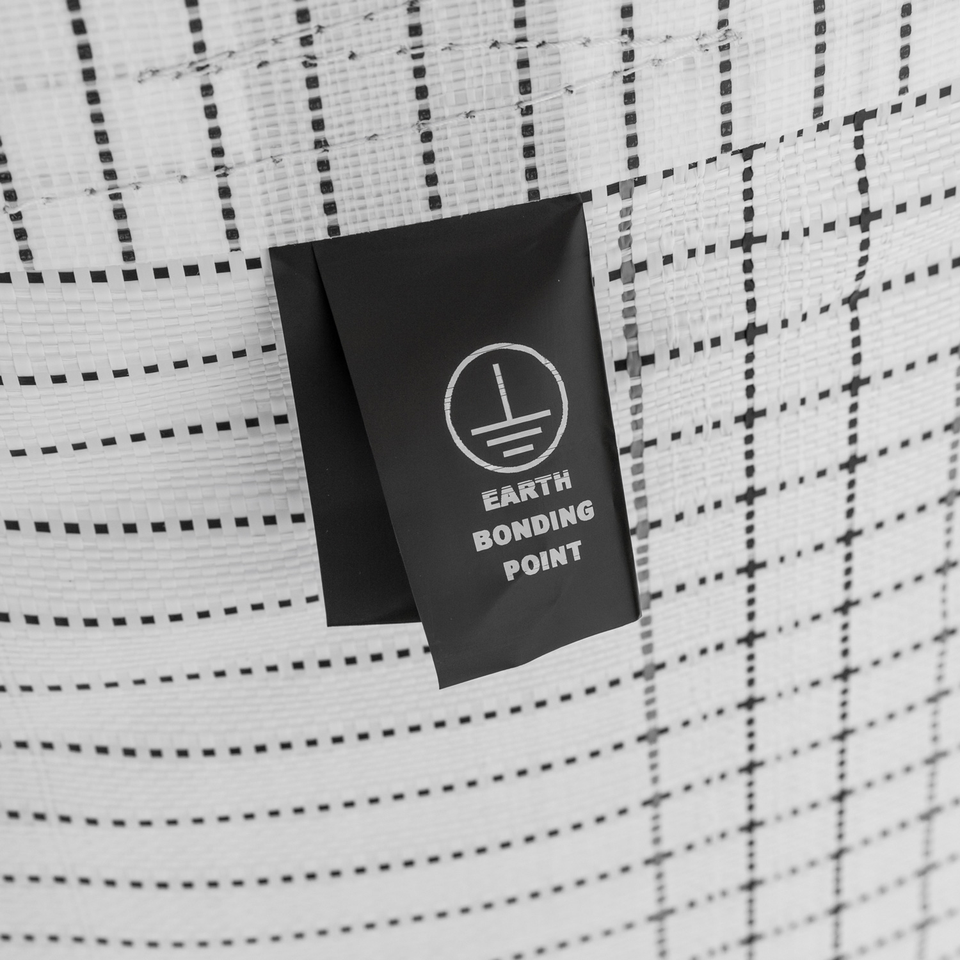
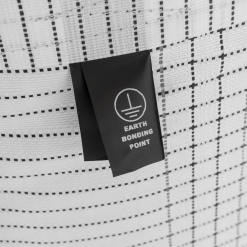
| Grounding Point | Grounding ribbon with standard termination (specify connector type) |
| UN Certification | Available on request — specify at enquiry stage |
| Printing | Grounding instruction label; hazard symbols; UN number (if certified) |
| Certification | IEC 61340-4-4; ISO 21898; SGS; UN on request |
Frequently Asked Questions
Q1: Are Type C FIBC bags required in all ATEX zones in a chemical plant?
ATEX zone classification determines the required bag type. In Zone 1 areas (explosive atmosphere likely during normal operation), Type C or Type D bags are mandatory. In Zone 2 areas (explosive atmosphere possible but not likely), a formal risk assessment under DSEAR/ATEX may permit Type B bags for products with MIE > 3 mJ, but Type C provides the highest safety margin. Zone 0 (explosive atmosphere continuously present) requires a site-specific risk assessment — contact your safety engineer and consult IEC 61340-4-4 and EN 13463 for applicable standards.
Q2: Can Type C bags be used for organic peroxides?
Organic peroxides are among the most sensitive materials for electrostatic ignition risk due to their self-reactive nature and typically low ignition energies. Type C bags are generally the correct specification for organic peroxide handling in ATEX zones. However, we strongly recommend consulting your process safety engineer and the peroxide manufacturer’s material safety data sheet for the specific compound’s MIE and sensitivity classification before confirming bag type. Some peroxides may also require UN certification — we can supply this on request.
Q3: What UN certification options are available for Type C FIBC bags?
We produce UN-certified Type C FIBC bags for hazardous goods classified under the UN Model Regulations and transported under ADR (road), RID (rail), or IMDG (sea) codes. UN certification requires a specific test protocol including drop tests, stacking tests, and top-lift tests performed by an accredited laboratory. The UN marking on the bag confirms it has passed these tests. Please specify UN certification as a requirement at the enquiry stage, along with the UN number and packing group of your material, so we include the correct testing scope in the quotation.
Q4: How do you ensure consistent grounding resistance across a production batch?
Finished bags are resistance-tested using a calibrated ohmmeter at multiple points to confirm the conductive thread grid is intact, and the bag-to-ground resistance is below 10⁷ ohm. For critical applications, we offer 100% individual bag testing on request.
Contact Us
| Ensure your chemical plant meets ATEX and DSEAR electrostatic safety requirements. Contact us for Type C FIBC bag with complete IEC 61340-4-4 documentation and UN certification options.
→ Request Chemical Type C Bag Quote |