


Product Description
Chemical and mineral processing operations handle materials that demand more from their bulk packaging than general industrial applications. Electrostatic safety classifications, chemical resistance, dust containment, and compliance documentation are non-negotiable — and they must be combined with the operational efficiency of a bag that performs consistently across automated filling lines, container shipping, and warehouse storage.
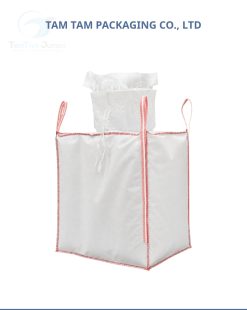
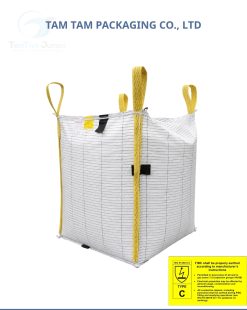
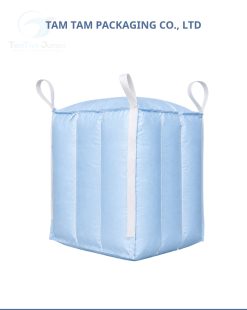
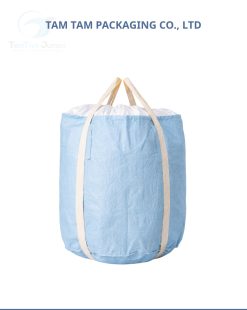
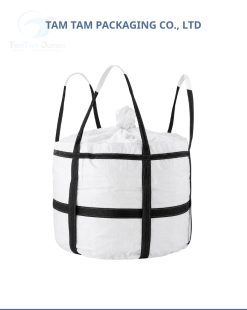
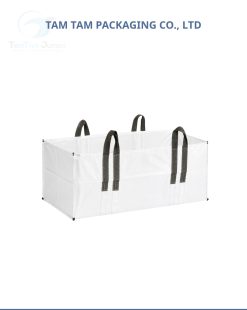
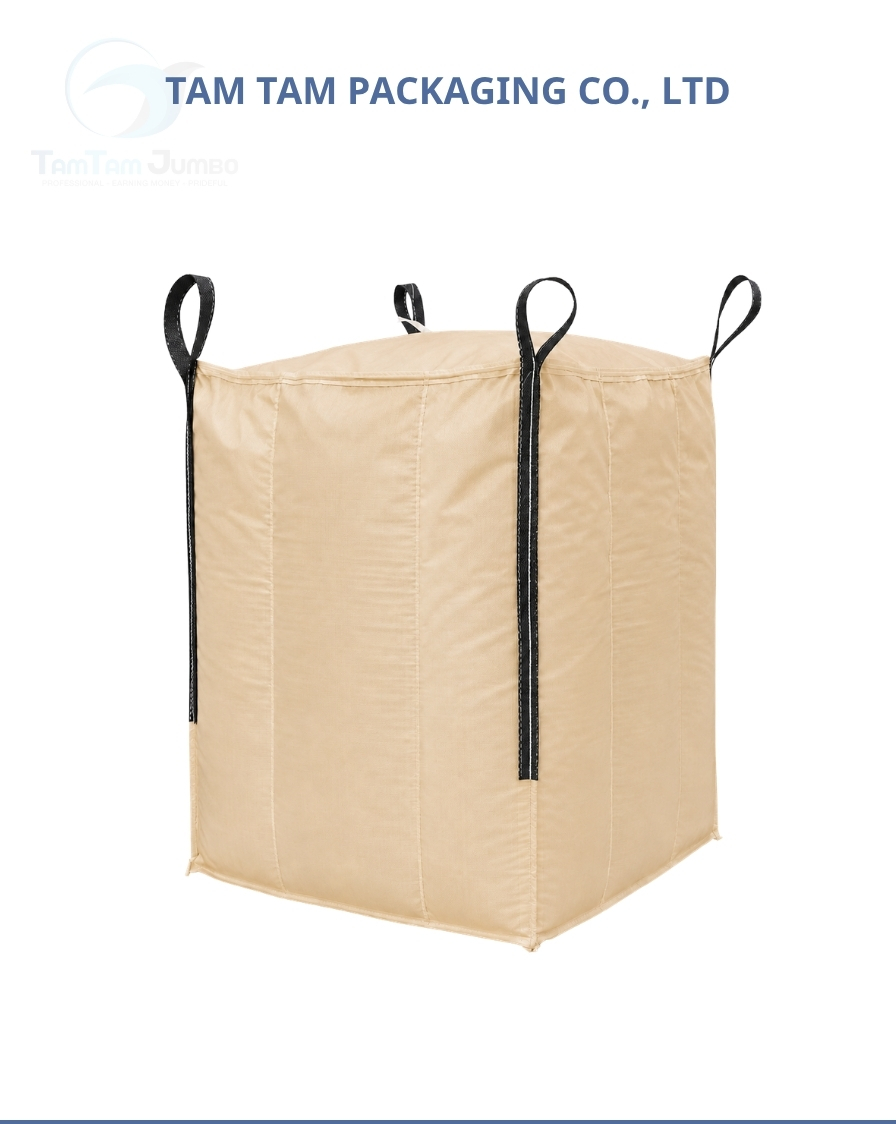
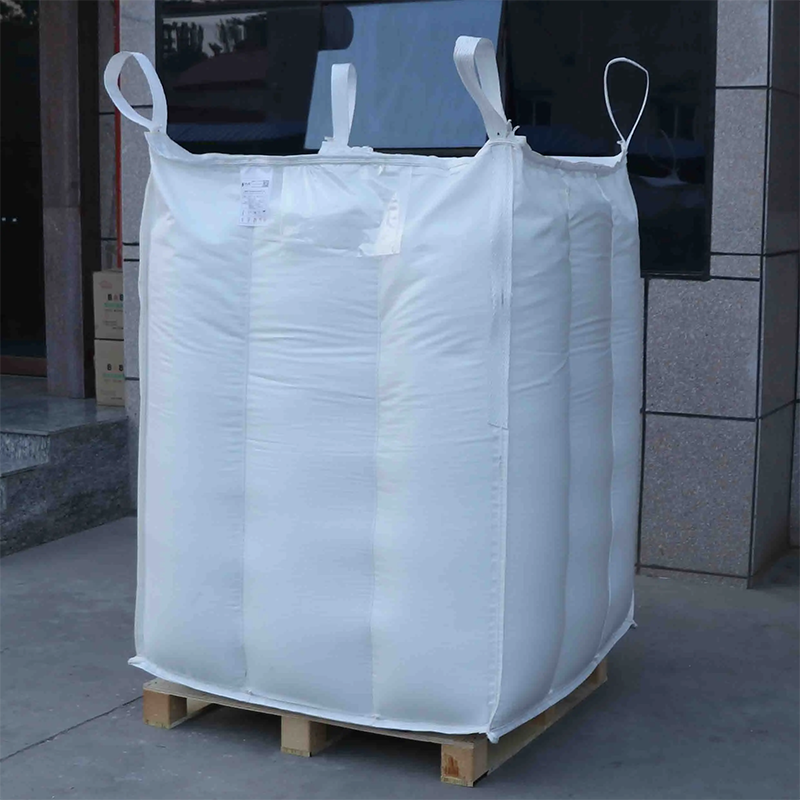
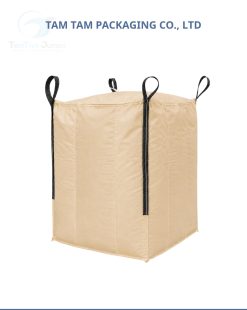
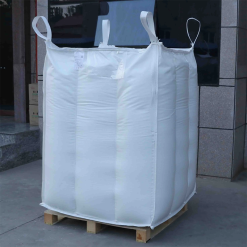
Our Baffle FIBC Bags for Chemicals and Minerals address all of these requirements in a single bag. Built on either 4-panel or U-panel baffle construction for maximum form-stability, and available in Type A, B, C, and D electrostatic classifications, these Q-bags combine the space efficiency benefits of baffle design with the safety and compliance requirements of chemical and mineral processing facilities. From calcium carbonate and silica to conductive Type C bags for combustible chemical powders, we manufacture the complete specification range.
Why Choose This Bag?
- Available in all four FIBC electrostatic types (A, B, C, D) — specify the correct static safety classification for your product and environment
- Baffle construction improves container fill by 10–30% — critical for high-volume chemical and mineral exporters managing tight freight margins
- Sift-proof seams and form-fit liner options prevent fine chemical or mineral dust from escaping through fabric or seam needle holes
- UV-stabilised fabric rated to 2,500 hours for outdoor intermediate storage at processing sites
- Full compliance documentation: IEC 61340-4-4 (for Type B/C), ISO 21898, SGS inspection, COA — supporting ATEX and DSEAR risk assessments
| 💡 BUYER TIP: For chemical and mineral applications requiring both baffle construction and electrostatic safety, order your bag and liner as a matched specification from us — confirmed compatible with each other. Mixing bag and liner from different suppliers can create specification gaps that undermine the electrostatic safety of the combined system. |
Typical Applications Industries
- Calcium carbonate (GCC and PCC grades), silica, talc, and kaolin powders
- Synthetic resins, polymer powders, and thermoplastic granules
- Soda ash, sodium sulphate, and inorganic chemical salts
- Carbon black, titanium dioxide, and pigment powders (Type B/C classification)
- Mining minerals: fly ash, barite, bentonite, lignite, and mineral concentrates
Technical Specifications
| Construction | 4-Panel baffle (standard) / U-Panel baffle (cost-optimised) |
| Type Classification | Type A / Type B (IEC 61340-4-4) / Type C (conductive) / Type D (dissipative) |
| Safe Working Load | 500 kg – 2,000 kg |
| Safety Factor | 5:1 (single-use) / 6:1 (multi-trip) / 8:1 (heavy-duty) |
| Fabric | Virgin PP / Conductive PP (Type C) / Dissipative PP (Type D) |
| Fabric Weight (GSM) | 120 – 250 gsm (chemical/mineral grade) |
| UV Stabilisation | Standard — rated to 2,500 hours |
| Coating | Laminated PP (moisture-sensitive minerals) / Uncoated |
| Seams | Dust-proof (sift-proof) seams — standard for fine chemical powders |
| Liner Options | PE tube / Form-fit PE / PE/AL foil / Antistatic L2 / Conductive L1 |
| Top Options | Open top / Spout top / Duffle top |
| Bottom Options | Flat bottom / Discharge spout / Conical discharge |
| Printing | Up to 4-colour; hazard symbols, UN number, product ID, batch code |
| Electrostatic Cert | IEC 61340-4-4 test report (Type B/C bags) |
| Certification | ISO 21898; SGS tested; UN certification on request |
Frequently Asked Questions
Q1: Which electrostatic type of baffle bag should I use for combustible chemical powders?
For combustible chemical powders in environments free from flammable gases and vapours, Type B baffle bags (low breakdown voltage fabric, IEC 61340-4-4 certified) prevent the dangerous Propagating Brush Discharge (PBD) without requiring grounding. If your facility has flammable vapour zones (ATEX classified), Type C (conductive/groundable) or Type D (dissipative) baffle bags are required. Share your product’s Minimum Ignition Energy (MIE) and your ATEX zone classification with our team, and we will recommend the correct type.
Q2: Are baffle bags available with UN certification for hazardous chemical transport?
Yes. UN-certified FIBC bags for hazardous goods under the UN Model Regulations can be produced in baffle construction. UN certification requires a specific testing protocol distinct from ISO 21898 — including drop tests, top lift tests, and stacking tests performed by an accredited laboratory. Please specify UN certification as a requirement at the enquiry stage so we can include the correct testing scope and cost in your quotation.
Q3: Do sift-proof seams affect the bag’s SWL or structural integrity?
No. Sift-proof (dust-proof) seams use a fabric tape sewn over the inside of the seam stitching to close the needle holes without affecting the structural stitch line beneath. The outer stitch line carries the load; the inner tape prevents dust leakage. Sift-proof seams add a small cost and weight but do not reduce the bag’s rated SWL or safety factor.
Q4: Can baffle bags be supplied with a conductive liner inside a Type C bag for maximum static safety?
Yes — and for high-risk combustible powder applications, this is the recommended specification. A Type C conductive outer bag combined with an L1 (conductive) inner liner provides a complete grounded system where static charge generated at the product-liner interface is dissipated through the conductive liner to the conductive bag body and then to ground. This matched bag-and-liner system is the highest level of static safety available for FIBC packaging.
Contact Us
| Handle your chemical and mineral products safely and efficiently with baffle FIBC bags. Contact us for IEC test reports, electrostatic type guidance, and volume pricing.
→ Request Chemical Baffle Bag Quote |